cost guides
Bicep Tattoo Cost: 2026 Pricing by Style and Size
Bicep tattoos run $150 to $2,500 depending on size, style, and artist tier. Here is what 2026 pricing actually looks like.
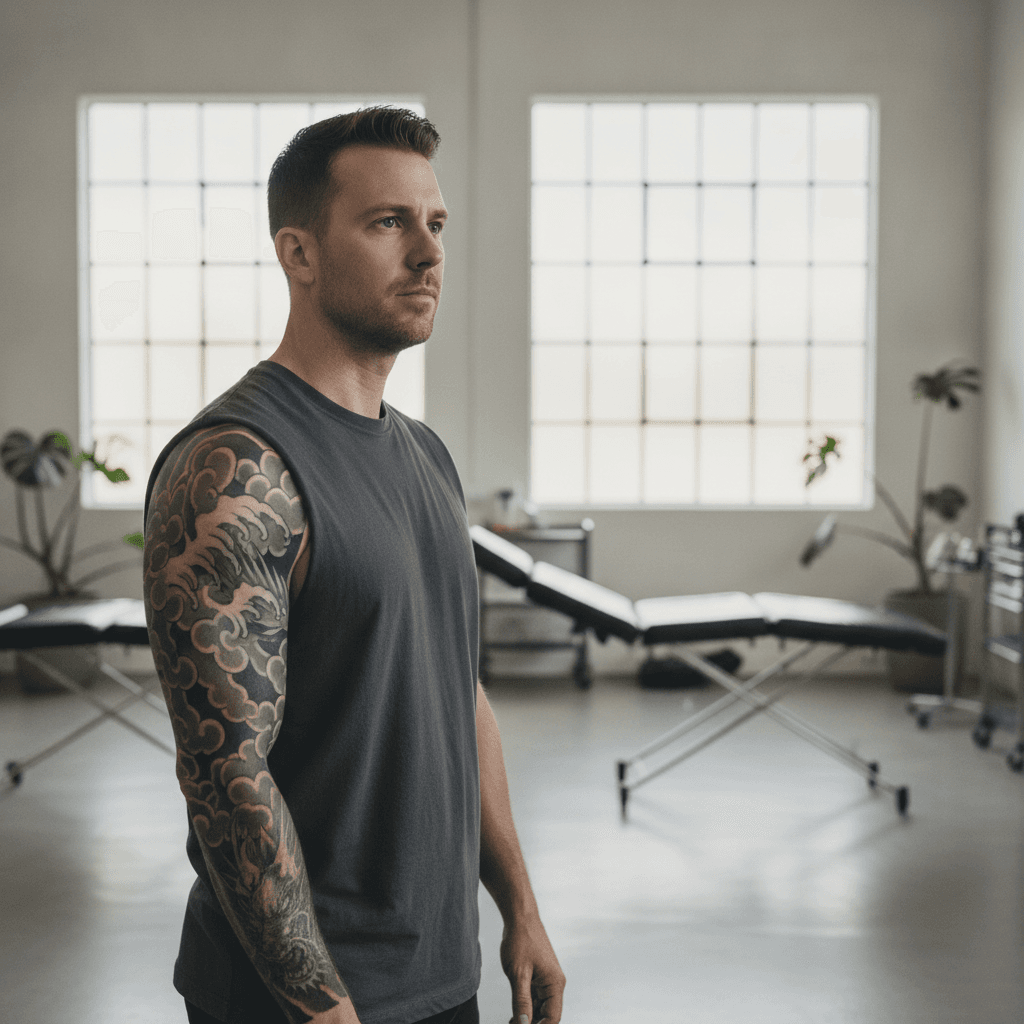
The bicep is one of the most-requested placements in any studio, and the price range for one tattoo there can swing from a $150 walk-in to a $2,500 custom piece. Most of that spread comes down to four things: size, style, who is tattooing you, and the city you book in. This guide breaks down what bicep tattoos actually cost in 2026, where the money goes, and what to budget for if you want a piece that ages well.
What a bicep tattoo costs in 2026
Pricing on the bicep tends to sit a little above the forearm because the curve of the muscle is harder to stencil and the inner-bicep skin is sensitive enough to slow most artists down. Expect to see hourly rates between $150 and $300 in mid-sized US and European cities, with $350 to $500 per hour at top-tier shops in Los Angeles, New York, London, and Tokyo. Flat-rate work on smaller pieces often comes in cheaper per square inch, but custom designs almost always shift back to hourly once the artist has to draw on you.
Here is a typical 2026 range by piece size:
- Palm-sized minimalist piece (2 to 3 inches): $200 to $450, usually one short session
- Medium black-and-grey or traditional piece (4 to 6 inches): $500 to $1,200, one to two sessions
- Large color or detailed realism (covering most of the outer bicep): $1,400 to $2,800, two to four sessions
- Full bicep band or wrap-around: $1,000 to $2,200, often built across two sittings
Compare these against forearm pricing and you will see the bicep usually runs 10 to 20 percent higher for the same square inches, mainly because of stencil complexity on the muscle curve.
How style changes the price
Style is the second-biggest cost lever after size. A clean fine-line piece and a dense color realism piece can be the same physical size and differ by $1,000 in final price because of session count and the skill tier the work demands.
Fine-line and single-needle work on the bicep tends to run cheaper per piece because it moves quickly and finishes in one sitting. A 4-inch fine-line botanical typically lands at $400 to $700. The catch is that fine lines on the inner bicep tend to soften within five to seven years as the thin skin stretches and the ink migrates, so most artists charge a touch-up around year three at $100 to $200. The fine-line style guide covers what holds up and what fades fastest.
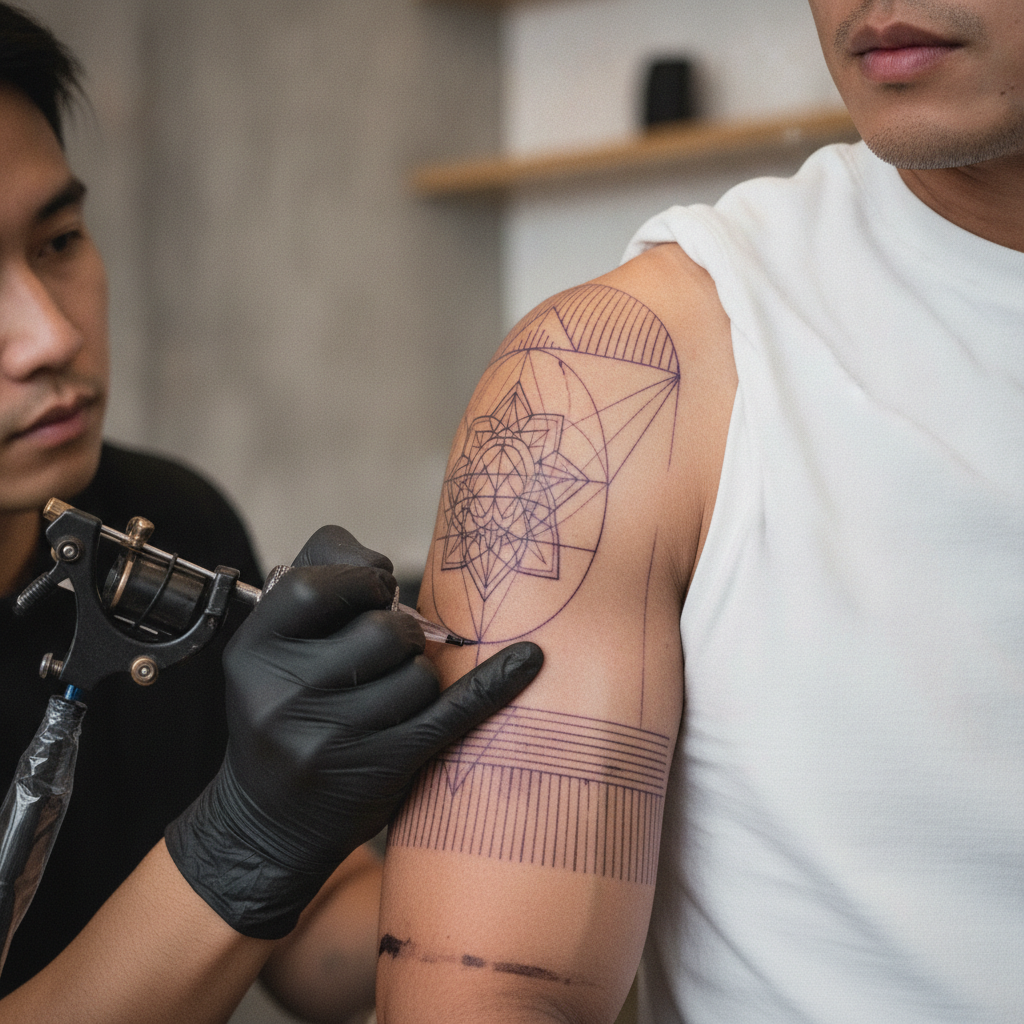
Black-and-grey realism is the most common bicep request and sits at the upper end of the budget. A portrait or animal piece covering most of the outer bicep usually requires two to three four-hour sessions and lands at $1,800 to $2,600 at a mid-tier shop. Color realism adds another 15 to 25 percent on top because color packing is slower and the artist usually budgets a touch-up after healing. Japanese irezumi and neo-traditional pieces fall in a similar range, with traditional American running slightly cheaper at $800 to $1,500 for a comparable footprint thanks to its faster bold-line technique.
What sits underneath the sticker price
The hourly rate is only part of the total. Most studios charge a non-refundable deposit of $100 to $300 to hold your appointment, applied against the final bill. Custom design fees vary: simple drawings are often bundled in, while a full custom illustration sourced from artist references can add $150 to $400 for design time outside the session.
Tipping is standard in the US and increasingly common in Europe and Asia. Plan for 15 to 25 percent on top of the session cost, paid in cash at the end. On a $1,500 piece that is another $225 to $375 you should factor in from day one, not treat as an afterthought. The tipping guide breaks down regional norms in more detail.
Other line items that creep in:
- Numbing cream applied during longer sessions: $20 to $80 if the shop offers it
- Aftercare kit (Saniderm, healing balm, gentle wash): $25 to $60, sometimes included
- Touch-up after healing: usually free within 60 days if booked with the original artist, $100 to $250 otherwise
- Travel to a guest-spot artist visiting your city: same hourly rate, but limited slots and faster booking pressure
How the artist tier shapes the bill
Artist experience changes the price more than any other single factor. Apprentices working under supervision often quote $80 to $120 per hour and are a reasonable choice for simple bold work, but they are not the right call for fine detail or realism on the bicep. Mid-career artists with three to seven years of clean healed portfolios sit at $150 to $250 per hour and handle the bulk of solid bicep work in any major city.
Top-tier artists with international waitlists charge $400 to $800 per hour and often book six to eighteen months out. For a single session piece the price difference can feel steep, but their work tends to need fewer touch-ups and holds shape longer, which matters on a piece you will wear for thirty years. If you are torn between a known artist at the upper bracket and a cheaper local quote, look at healed photos from one to three years out rather than fresh shots. Healed work is the only honest measure of value.
Inner bicep vs outer bicep: the cost gap
The two halves of the bicep price differently. The outer bicep is firm muscle with thicker skin and stencils cleanly, so most artists charge their standard hourly there. The inner bicep is thin, soft, and full of nerve endings, which slows the session and often pushes the artist to use shorter needle configurations to limit blowout risk. Most shops do not raise the hourly rate for inner-bicep work, but the session count goes up, so the total often ends 20 to 30 percent higher for a piece of the same visual size.
Inner-bicep pieces also fade faster than outer-bicep work because of skin stretch and friction from the torso. Budget a touch-up at year two or three rather than year five, especially for fine-line or single-needle pieces. The tattoo blowout guide explains why inner-arm placements are higher risk and what artist choices reduce that risk.
Frequently asked
How long does a bicep tattoo session last? Most bicep sessions run three to five hours. Anything longer tends to push past the pain threshold of the inner bicep and degrades line quality, so artists usually split larger pieces across two or three sittings rather than push for a single marathon session.
Is the bicep more expensive than the shoulder? Slightly. Shoulder tattoos sit on flatter, less sensitive skin and stencil faster, so for the same square inches expect to pay 10 to 15 percent less on the shoulder than on the bicep. The shoulder cost guide covers shoulder-specific pricing.
Can I get a bicep band tattoo done in one session? A simple solid band of one to two inches wide fits in a single four-hour session at $600 to $1,000. Detailed geometric or Polynesian-style bands almost always require two sessions because the wrap-around stencil needs to be redrawn for the inner half once the outer half heals enough to register the alignment.
What does a sleeve add on top of a bicep piece? Extending a bicep piece into a half-sleeve roughly triples the budget once you include the shoulder cap, the inner-bicep fill, and the negative-space planning. Plan for $2,500 to $5,000 total for a coherent half-sleeve built around an existing bicep tattoo, spread across four to six sessions.
How much should I tip on a $1,200 bicep tattoo? Standard is 15 to 20 percent, so $180 to $240 in cash at the end of the session. If the artist did custom design work outside the session or stayed late to finish a section, 25 percent is more appropriate.
Will a bicep tattoo stretch if I gain muscle? Slow muscle gain of five to ten pounds over a year barely affects ink. Rapid gains of twenty pounds or more in six months can stretch lines and lighten color, especially on the inner bicep. If you are mid-bulk, ask the artist about line spacing and consider waiting until your training cycle stabilizes before booking a large piece.