cost guides
Half-Sleeve Tattoo Cost: Pricing Guide for 2026
Half-sleeve tattoo cost ranges from $800 to $3,500 in 2026, with price driven by artist tier, color use, and session count.
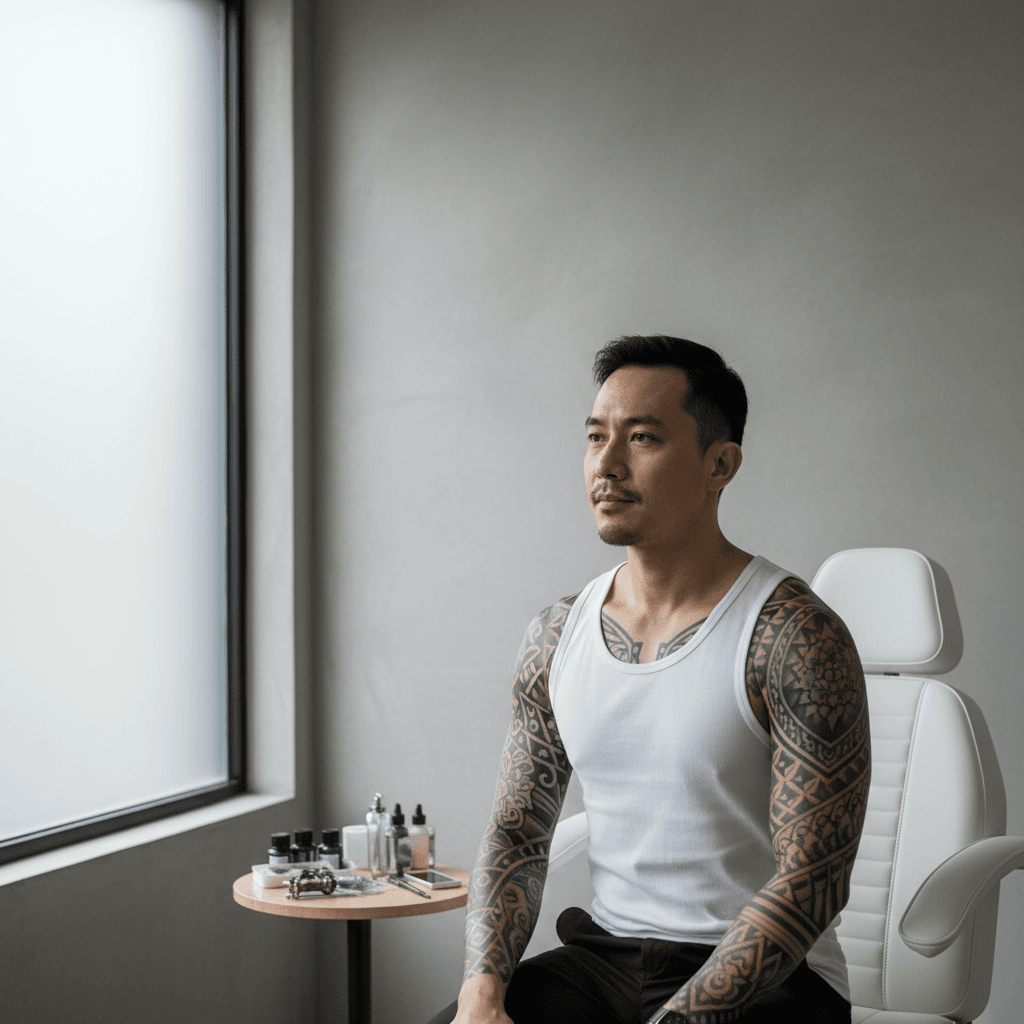
A half-sleeve runs from the shoulder to the elbow or from the elbow to the wrist, and pricing sits in a band most people underestimate. Expect to spend $800 to $3,500 for a full half-sleeve, with custom black-and-grey work landing somewhere in the middle of that range. The number moves based on artist tier, design density, color use, and how many sessions the piece needs.
What a Half-Sleeve Actually Covers
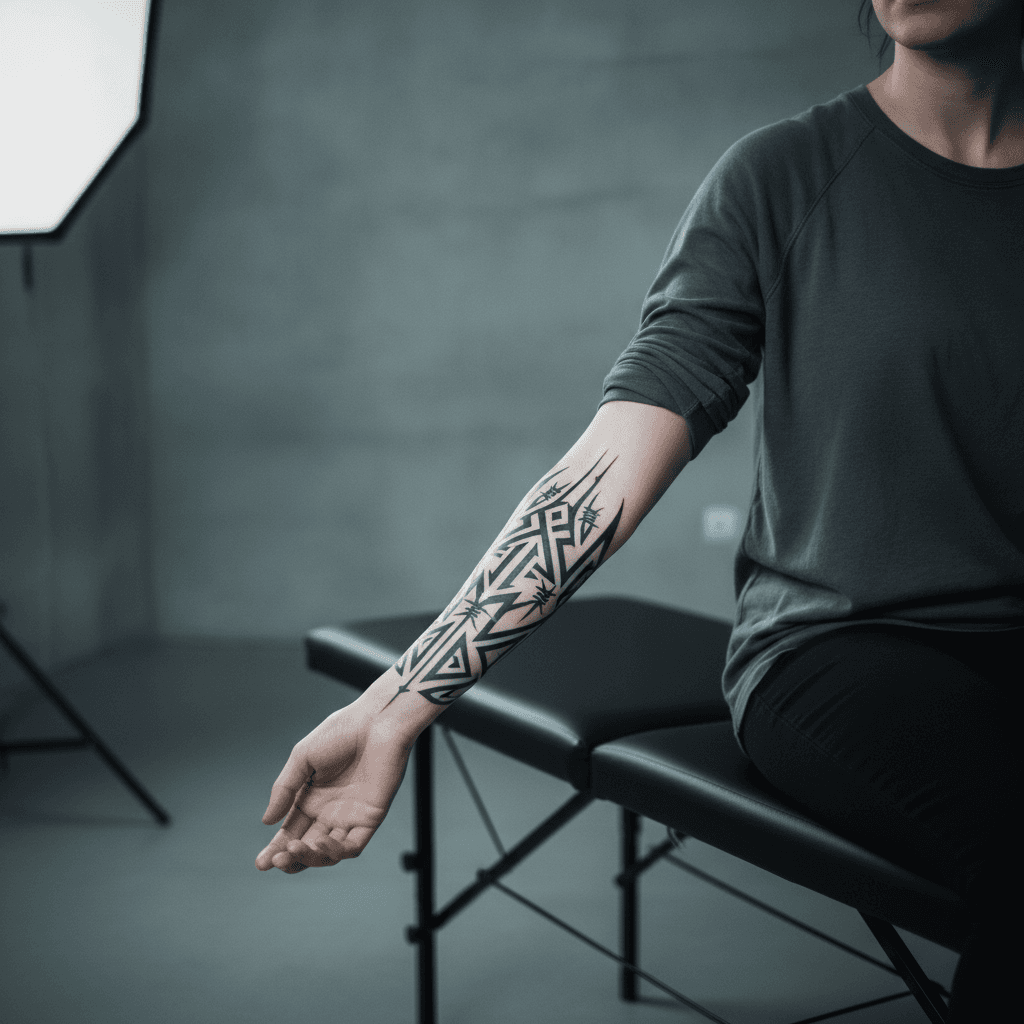
Most artists treat a half-sleeve as the upper-arm version: shoulder cap down to the elbow ditch, wrapping the full circumference. Some shops call the elbow-to-wrist piece a lower half-sleeve or forearm wrap, and those usually cost a bit less because the canvas is smaller and the elbow itself rarely gets full ink coverage. Surface area is the first variable a shop quotes against, so know which version you want before you walk in.
The piece is bigger than a single statement tattoo but smaller than a full sleeve, which makes it the most popular sleeve commitment among first-time large-piece clients. Roughly 60 to 90 square inches of skin gets covered depending on arm size and design ambition. Density matters more than dimensions: a packed Japanese-style half-sleeve with background waves and clouds costs more than the same arm with isolated fine-line pieces and negative space.
Half-Sleeve Tattoo Cost Ranges by Tier
Pricing splits cleanly across three artist tiers, and the gap between them is wider than most clients expect.
- Apprentice or junior artist ($150 to $250 per hour): total cost lands around $800 to $1,800 for a full half-sleeve. Good for budget pieces, simple linework, and clients comfortable with longer healing variability.
- Mid-tier resident artist ($200 to $350 per hour): total around $1,800 to $3,000. The most common tier for solid custom work, three to five sessions, and a portfolio you can trust.
- Senior or guest artist ($350 to $600+ per hour): total $3,000 to $6,000 and up. Booked months out, custom design built from scratch, and the kind of work that holds up at twenty years.
Flat-rate quotes show up more often at the senior tier because the artist has already mapped session count and complexity. Hourly billing dominates at the lower two tiers since the artist is still calibrating speed. The full breakdown of hourly versus flat-rate billing is worth reading before you commit, especially if your piece is likely to stretch past three sessions.
What Drives the Price Up
Color packing is the single biggest cost multiplier. A black-and-grey half-sleeve takes fewer passes and less time per square inch than a saturated color piece, and color also requires more touch-ups over the first decade. Adding red, yellow, or white to a design can push session count up by one or two, which adds $400 to $1,200 depending on tier.
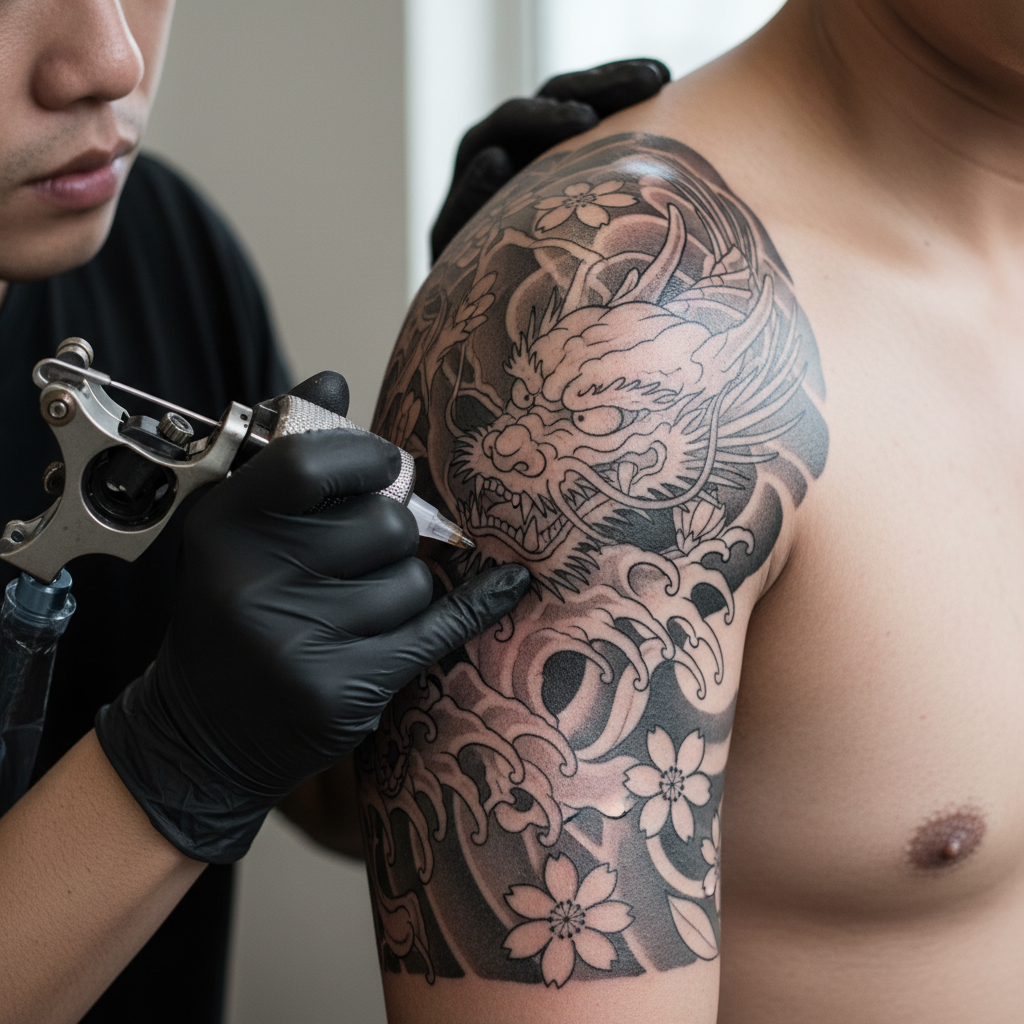
Custom design fees are the other line item people forget. Most reputable artists charge $100 to $400 for the design phase, billed separately or rolled into the deposit. Flash pieces (pre-drawn designs) skip this fee entirely, which is one reason flash sleeves can run 20 to 30 percent cheaper than fully custom work. Style choice also matters: Japanese irezumi, neo-traditional, and realism trend higher than blackwork or dotwork because they need more sessions and more skilled execution. A typical half-sleeve in the realism style often crosses $3,500 even at mid-tier rates.
Geography pulls the number too. A half-sleeve in Los Angeles, New York, or London at a respected shop sits 30 to 50 percent above the same piece in a mid-size US city, and a high-end shop in Tokyo or Berlin can match those rates. Bangkok, Bali, and Mexico City offer skilled artists at 40 to 60 percent of US pricing if you can travel for the sessions.
How Sessions Are Booked and Billed
A half-sleeve almost never gets finished in one sitting. Plan on three to five sessions of three to five hours each, spaced two to four weeks apart to let the skin heal between passes. Some artists book consecutive long days (called marathon sessions) at a flat rate, which can shave 10 to 20 percent off the total because chair-time efficiency goes up. Marathon billing is more common at established shops with senior artists.
Deposits run $100 to $500 and apply to the final session. The deposit is typically non-refundable if you cancel under 48 hours notice, and many shops require it before they will sketch the design. The deposit structure varies enough that it is worth confirming in writing before you book. Tipping is expected on top of the quoted price, usually 15 to 25 percent of the session cost paid in cash at the end of each visit.
Choosing the Right Artist Without Overpaying
The cheapest half-sleeve you regret costs more than the mid-tier sleeve you love, because cover-up and touch-up work runs $200 to $500 per session and stretches across years. Spend the first hour of research looking at healed-photo portfolios rather than fresh-tattoo shots. Healed work shows you how the lines hold, whether the color saturated, and how the artist handles skin variation over time.
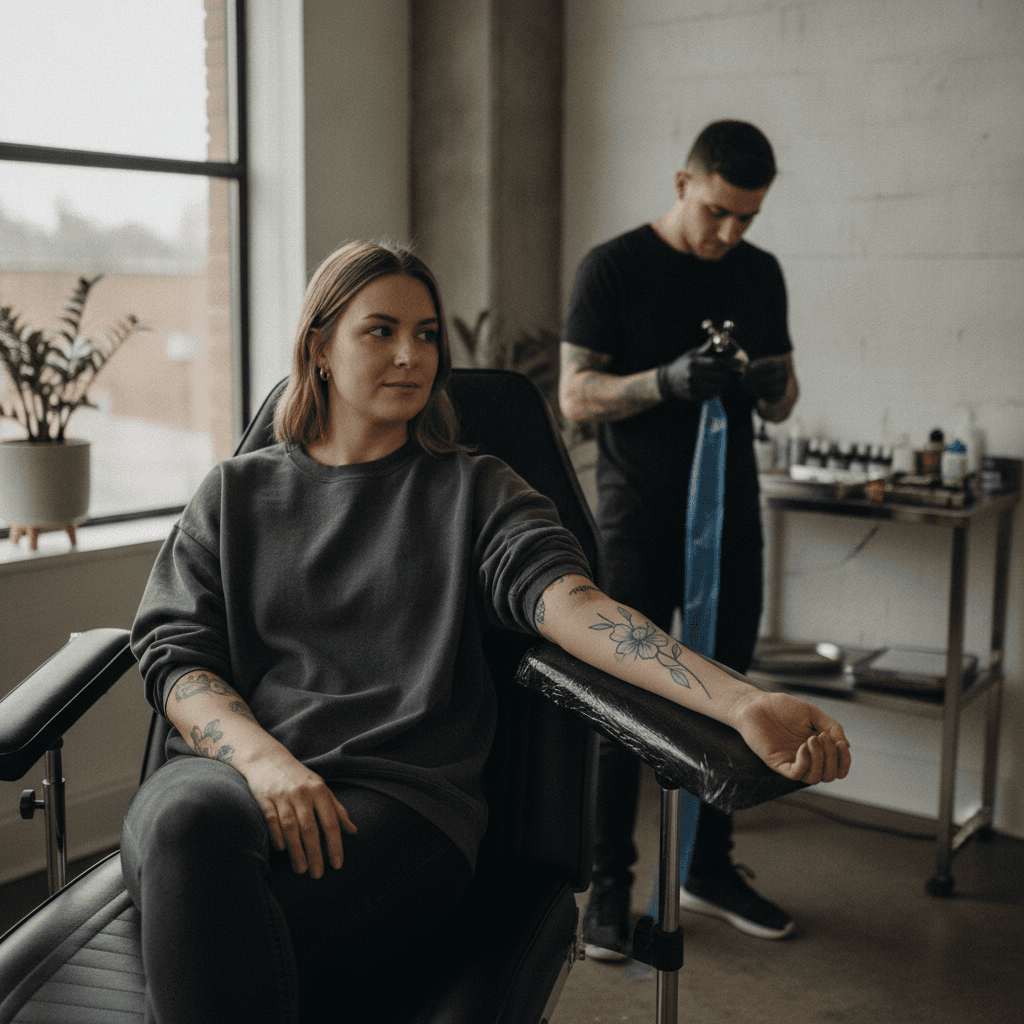
Book consultations with two or three artists before committing. Most studios offer a free 20 to 30 minute consult where they review your reference images and quote session count. A reasonable artist will tell you when your design is too dense for the timeline or when your budget does not match the style you are asking for. Walk away from any artist who refuses to quote a range or pushes you toward an expensive add-on you did not ask for.
Frequently asked
How many sessions does a half-sleeve take? Three to five sessions for most pieces, with four being the average for a custom mid-tier design. Color and density push the count higher, blackwork and dotwork pull it lower. Marathon bookings can compress the timeline into two long sittings if your pain tolerance allows it.
Is a half-sleeve cheaper than a full sleeve? Yes, usually 40 to 55 percent of the full-sleeve cost at the same artist tier. A full sleeve adds the forearm or upper arm plus the wrist, hand-connection area, and shoulder cap if those are not already in the half-sleeve. Many clients start with a half-sleeve and extend it to a full sleeve a year or two later once they trust the artist.
Can I get a half-sleeve done in one day? Possible for simple line-based pieces at smaller scale, but most artists will refuse to grind through more than five or six hours of dense work in a single sitting. Skin trauma adds up, ink does not seat as well after hour five, and the healing window stretches dramatically. Multi-session work produces a cleaner result.
Why does color cost more than black-and-grey? Color ink requires more passes to saturate, takes longer to heal between sessions, and fades faster, which means more touch-ups over the lifetime of the piece. Most artists also work slower in color because contrast control matters more. The color versus black-and-grey cost gap typically runs 20 to 35 percent.
Does insurance or financing cover tattoos? Health insurance never covers cosmetic tattoo work. Some shops partner with consumer financing companies like Affirm or Klarna for pieces over $1,500, with rates ranging from 0 to 30 percent APR. Read the terms carefully because a deferred-interest promo can backfire if you miss the payoff date.