aftercare
Tattoo Bubbling: Why It Happens and How to Fix It
Tattoo bubbling looks alarming but usually means too much moisture under your second skin. Here is why it happens, how to drain it safely, and when to call a doctor.
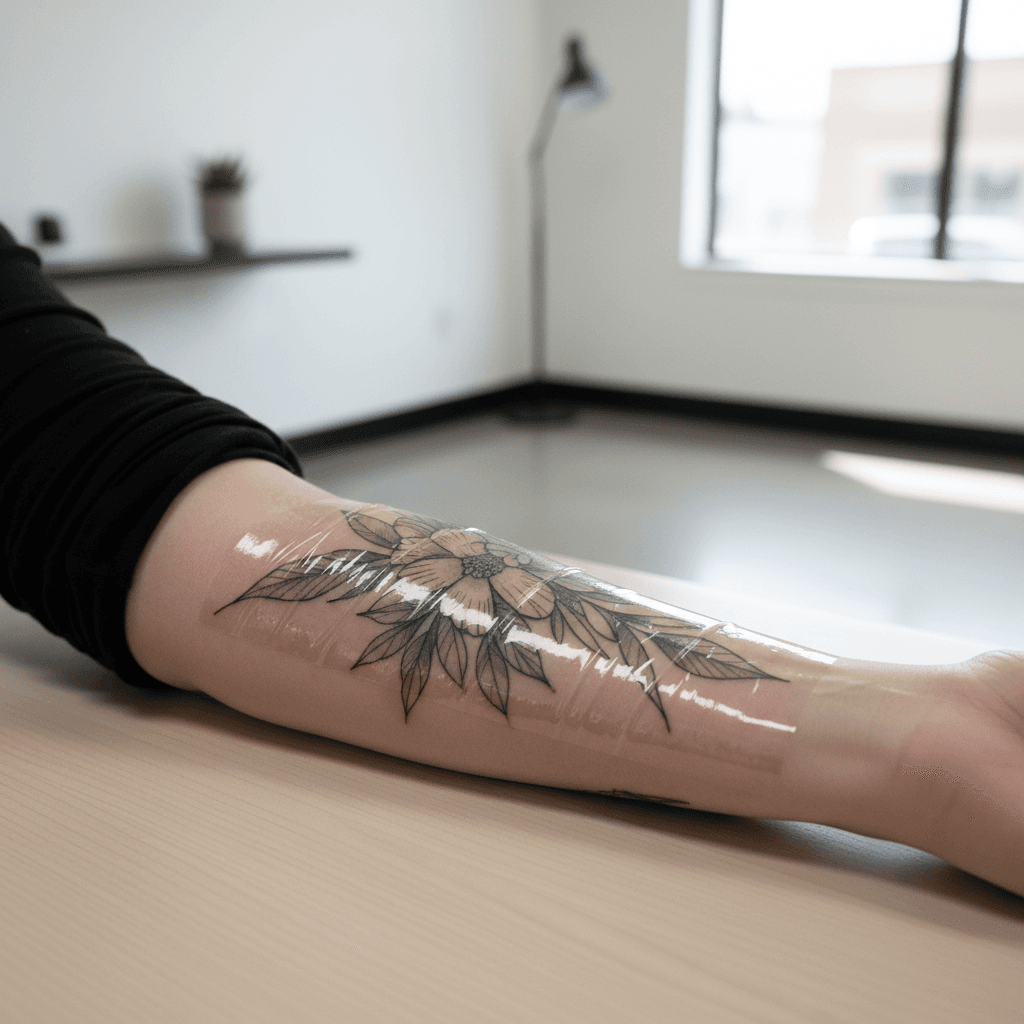
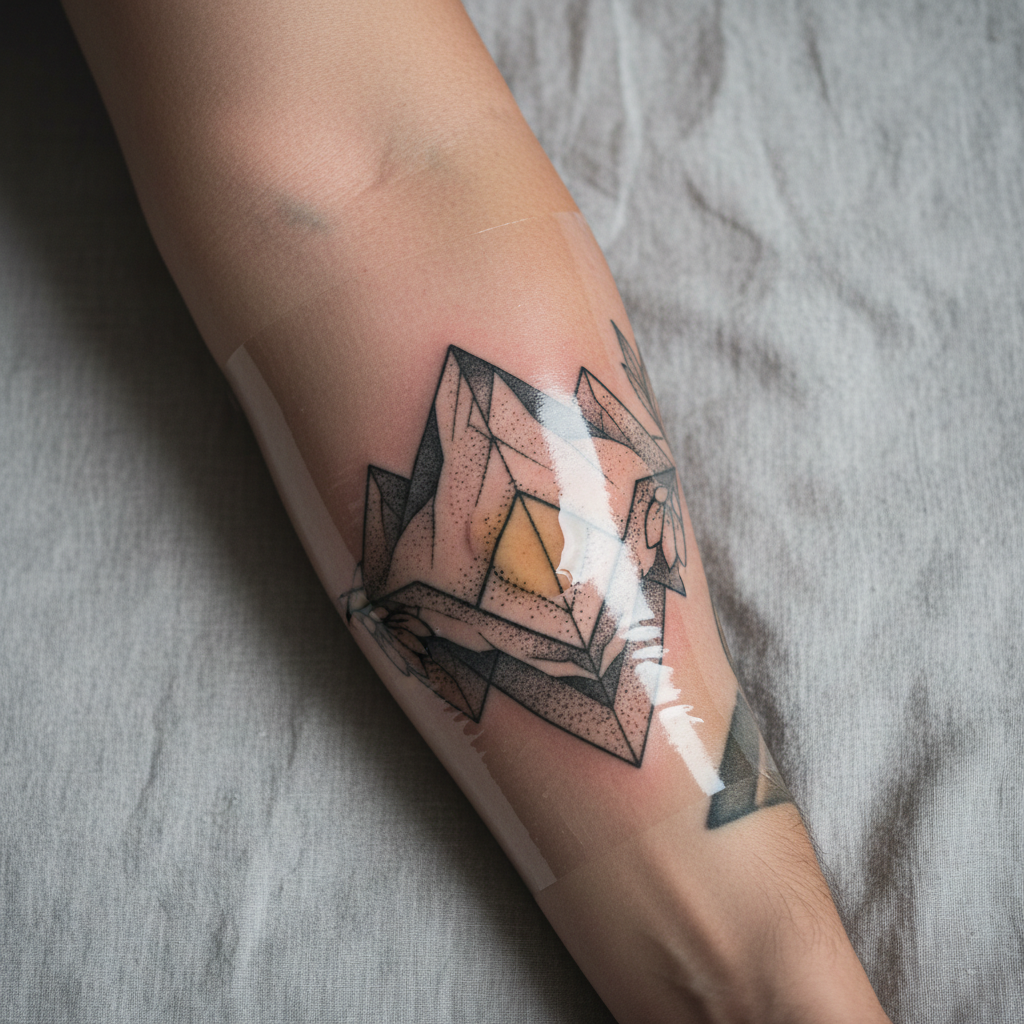
You woke up, peeled back the edge of your second skin, and saw a bubble of cloudy fluid sitting over your fresh tattoo. The skin underneath looks puffy, the lines blurry, and your gut says something is wrong. Tattoo bubbling is one of the most common aftercare scares, and most of the time it is fixable at home in under an hour. This guide explains what bubbling actually is, the three things that cause it, how to drain it safely, and the warning signs that mean you need a doctor instead of a paper towel.
What tattoo bubbling actually is
Bubbling describes the milky or yellow-tinged fluid that pools between your healing tattoo and an adhesive bandage like Saniderm, Recovery Derm Shield, or Tegaderm. The fluid is a normal mix of plasma, lymph, ink particles, and exudate that your skin pushes to the surface during the first 48 to 72 hours of healing. With air access, that fluid would dry into a thin film on its own. Sealed under second skin, it has nowhere to go, so it pools. The result looks dramatic, a soft jiggly dome over your linework, but the ink underneath is not lifting out of the dermis. Ink sits about 1 to 2 millimetres deep, well below the epidermal layer where bubbling happens.
Cause one: too much fluid under the bandage
Heavy bubbling almost always means your artist did not blot the tattoo dry before sealing it, or you applied your own second skin too soon after a shower. Saniderm's manufacturer specifies that the wound and the surrounding skin must be completely dry before application, otherwise plasma and water cannot bond with the adhesive. A wet seal lifts at the edges within hours and traps a moisture pocket in the middle. If you are doing your own second skin changes at home, pat the tattoo with a clean paper towel until no moisture transfers, wait 5 to 10 minutes, then apply. People with chest, ribcage, or thigh tattoos sweat through the bandage faster and need to change second skin every 18 to 24 hours instead of the usual 3 to 5 days.
Cause two: too much ointment under the bandage
The second most common trigger is over-applying an aftercare ointment like Hustle Butter, Aquaphor, or A&D before bandaging. Petroleum-based products sit on top of skin and cannot absorb fast enough under an occlusive seal. A thick layer turns into a slick that mixes with plasma and creates an opaque white bubble within hours. The fix is a thin smear, about the amount that would cover a postage stamp, rubbed in until the skin looks shiny but not greasy. If you are using second skin, skip the ointment entirely for the first wear. The bandage already creates its own moist healing environment, which is the whole point of using one. For more on choosing the right product, see our guide to the best lotions for new tattoos.
Cause three: heat, friction, or pressure on the bandage
Heat opens the bandage's adhesive and lets fluid migrate. Common culprits include hot showers above 38°C, tight clothing rubbing against the edge, sleeping directly on the tattoo, or sitting in a car seat that presses against a chest or ribcage piece. A bubble that appears 6 to 12 hours into a fresh bandage usually points here. Loosen waistbands and bra straps, swap to oversized cotton tees, and lower shower temperature for the first three days. Bangkok and Manila summer humidity is brutal on second skin and frequently shortens bandage life to 24 hours instead of the advertised 5 days. Plan around the weather and check our notes on sleeping with a new tattoo if your bubble keeps appearing overnight.
How to drain a bubble safely
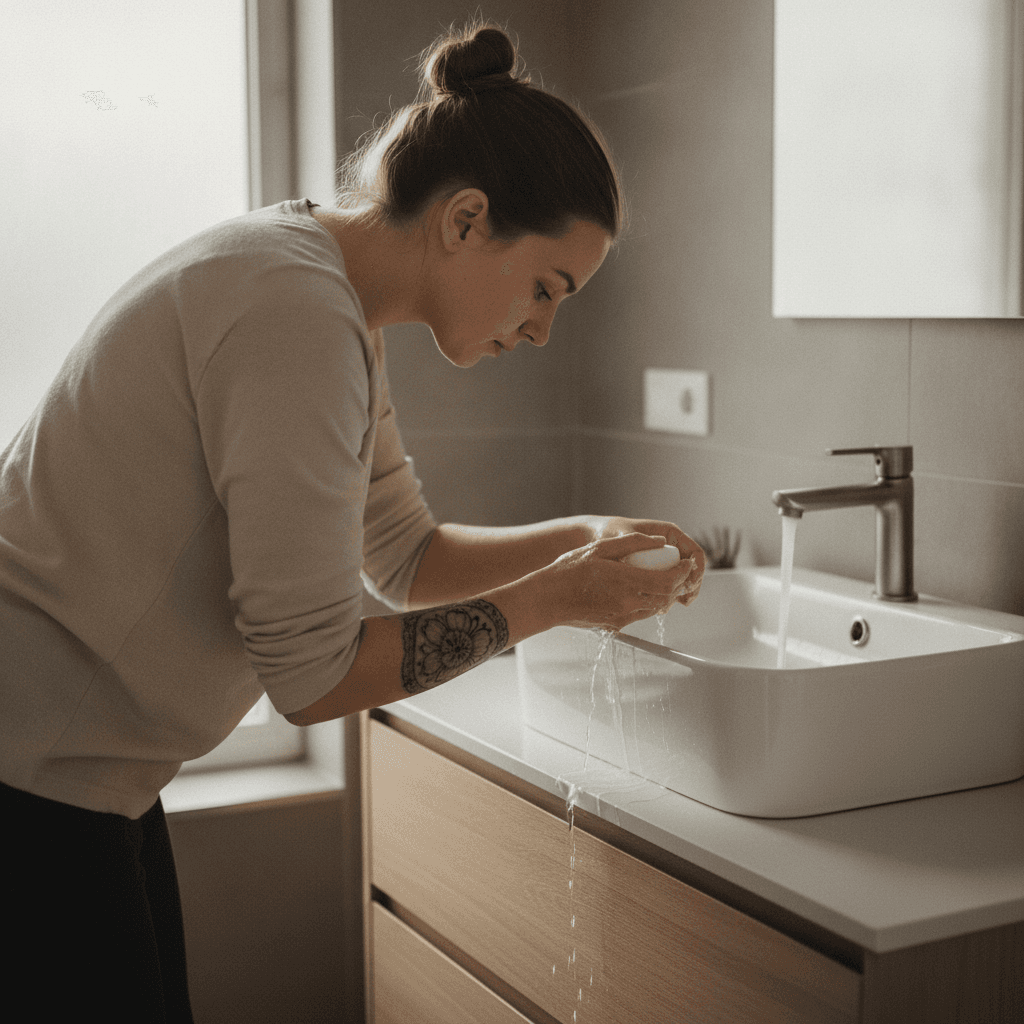
Small bubbles, anything under the diameter of a pencil eraser, often reabsorb on their own within 12 hours and need no intervention. Larger bubbles that look strained or that have stretched the bandage adhesive past its edge need to come out. Wash your hands with antibacterial soap for 30 seconds, then use a sterile needle or a clean pin wiped with rubbing alcohol. The drain sequence:
- Prick a tiny hole at the edge of the bubble, never the centre
- Press gently with a clean paper towel to push fluid out the hole
- Wipe the surface with the same paper towel and discard
- Reseal the hole by smoothing the bandage flat
- If the bandage has already lifted, remove the whole piece, wash the tattoo with unscented soap and lukewarm water, pat dry, wait 10 minutes, then apply a fresh second skin
Do not pop the bubble in the middle. A centre puncture creates a leak path that pulls plasma to the surface continuously and shortens bandage life to a few hours. The edge approach lets the seal heal back over itself.
When bubbling is not bubbling
A few presentations look like bubbling but are something else and need different responses. Milky fluid with a foul odour, increasing pain after day two, red streaks radiating outward from the tattoo, or a fever above 38°C all point to infection rather than trapped plasma. Stop second skin immediately, switch to a dry heal with a thin ointment layer, and see a doctor within 24 hours. The full warning list is in our signs of tattoo infection guide. A raised hard ridge that follows the linework rather than pooling in a soft dome is more likely a hypertrophic reaction or an allergic response to red, yellow, or some blue pigments. Itching that does not resolve within a week and looks puffy along coloured sections specifically needs a dermatology consult, not aftercare adjustments.
How to prevent it next time
Most bubbling never happens if the first bandage goes on dry, gets changed within 24 hours, and the second one stays on undisturbed for 3 to 5 days. Ask your artist to wrap you only after the tattoo has stopped weeping at the studio. At home, change bandages in the morning when you are clean and dry, not after a workout. Buy real Saniderm or Recovery Derm Shield rather than no-name Amazon listings, the cheap stuff has weaker adhesive and bubbles at half the wear time. Budget for two to three sheets per major session and cut to size rather than wrapping multiple pieces in one large sheet. If you are still in the first 24 hours of a new tattoo, the first 24 hours protocol walks through the exact sequence step by step.
Frequently asked
Does bubbling ruin a tattoo? No. The ink sits in the dermis, several layers below the epidermis where bubbling fluid pools. Even heavy bubbling over a fresh tattoo does not lift ink as long as you do not pick at the skin afterward. The real risk is to bandage life, not pigment retention.
Can I leave the bubble alone? Yes if it is small and the bandage edge is still sealed. Most small bubbles flatten within 6 to 12 hours as fluid reabsorbs on its own. Drain only if the bubble has stretched the adhesive, the fluid volume is increasing, or the bandage is starting to peel at the edges.
Why is my bubble yellow? Yellow tint is normal plasma. Healing wounds push out plasma rich in proteins and immune cells, which gives the fluid a pale yellow to cloudy white colour. Foul odour or thick green-yellow pus is different and points to infection, not normal exudate.
Should I switch from second skin to dry healing? Only if bubbling keeps happening and you cannot identify the cause. Dry healing avoids the trapped-moisture problem entirely but doubles healing discomfort, increases scabbing, and demands more frequent washing. For most people, fixing application technique solves bubbling without changing the whole protocol. See our dry healing guide for the full method and trade-offs.
How long should second skin stay on? First bandage: 12 to 24 hours. Second and any subsequent bandages: 3 to 5 days each, depending on placement and your sweat output. Never push past 5 days even if the bandage looks fine, since bacteria accumulates under occlusion past that point.
Can I shower with a bubbled bandage? Short, cool showers are fine as long as the bandage edge is still sealed. If the edge has lifted or the bubble has grown after the shower, replace the bandage that same day. Avoid direct hot water spray on the tattoo and skip baths or pools until the second skin comes off for good.