cost guides
White Ink Tattoo Cost: Pricing, Touch-Ups, and Realistic Budgets
White ink tattoos cost more than most people expect once you factor in touch-ups, artist skill, and skin-tone variables. Here is what pricing actually looks like.

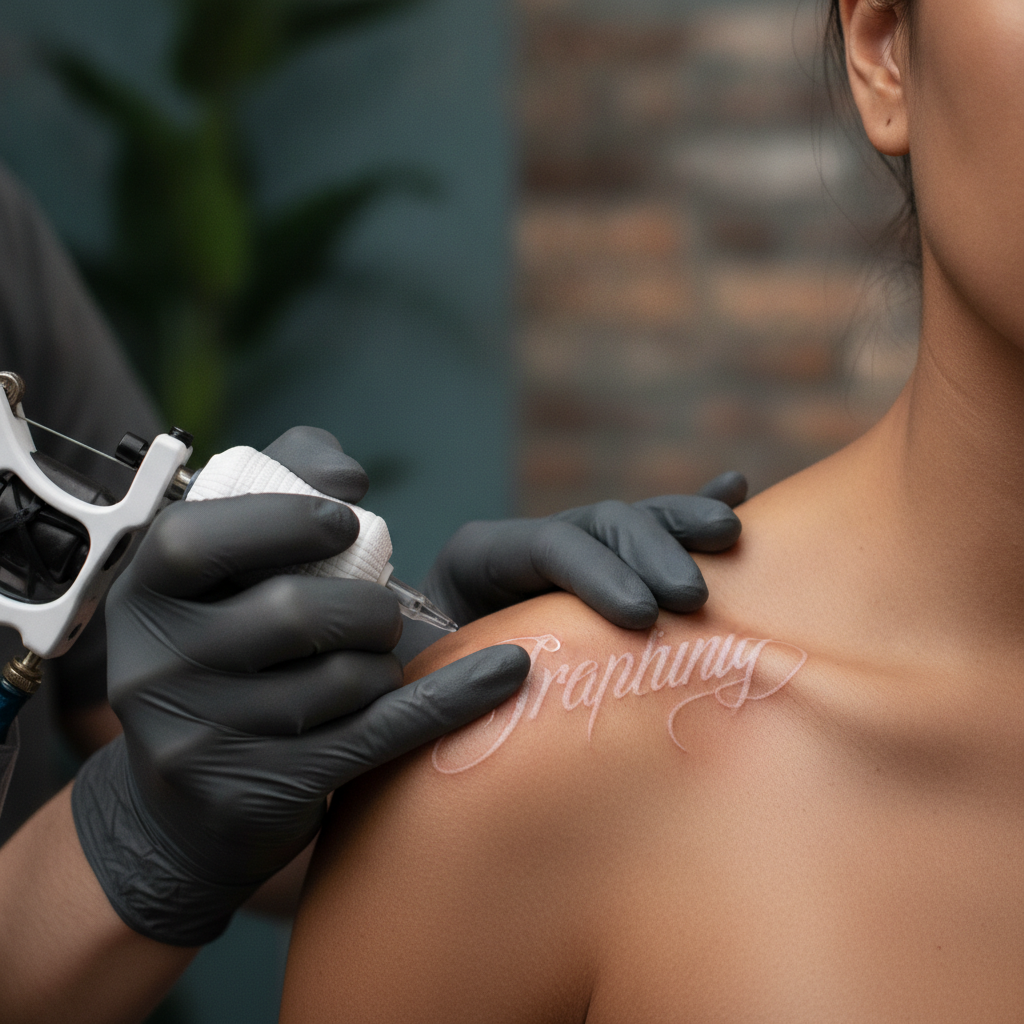
White ink tattoos look deceptively simple in a portfolio photo, but the pricing behind them is one of the most misunderstood corners of the tattoo world. A palm-sized white ink piece can cost anywhere from $150 to $600 depending on the artist, the skin tone it is going on, and how many passes it takes to lay the pigment cleanly. First-timers usually walk in expecting a discount because the design looks small and monochrome, then leave with a bill that matches a full-color piece of the same size. The reason is that white ink is technically demanding, wears unpredictably, and almost always needs a touch-up within the first year.
What white ink tattoos actually cost per session
Most established artists price white ink work at their standard hourly rate, which in the US sits between $150 and $250 per hour in mid-tier markets and climbs to $250 to $400 per hour in Los Angeles, New York, and Miami. In Western Europe expect roughly 120 to 220 euros per hour, with London and Zurich pushing higher. A small white ink piece the size of a coin usually falls under the shop minimum, which for white ink specifically tends to run $120 to $200 rather than the standard $80 to $100, because the artist knows they will spend extra time packing the pigment.
For a piece that takes two to three hours, plan on a total between $350 and $900 before tip. Larger white ink work such as a forearm band, a sternum ornament, or a small back panel typically lands in the $600 to $1,800 range for the first session. If the design is intricate or the client has darker or highly pigmented skin, artists frequently quote flat rates rather than hourly, because they need to build in two passes and a scheduled touch-up.
- Shop minimum for white ink: $120 to $200
- Small piece under 2 inches: $200 to $450
- Palm-sized piece, 2 to 4 inches: $350 to $750
- Forearm or sternum ornament, 4 to 8 inches: $600 to $1,400
- Back panel or larger, 8+ inches: $1,200 to $2,500 first session
Why white ink costs more than a black outline of the same size
White pigment sits differently in the skin than black. It is less opaque, breaks up faster in the healing process, and requires the artist to pack the color more slowly and evenly to prevent patchy fading. A skilled tattooer will often use a smaller needle grouping and lower voltage than they would for a comparable black piece, which stretches the session out. Where a black fine-line design might take 45 minutes, the same shape in white ink can take 90 minutes to two hours because the artist is layering the pigment in controlled passes rather than a single confident line.
There is also a scarcity premium. White ink work is a specialty. Many artists refuse to do it at all because it damages their portfolio when it fades poorly and the client blames them. The artists who do take it on tend to have years of experience with pigment behavior, and they charge accordingly. Expect to pay a 15 to 30 percent premium over that artist's normal rate for white-only work, sometimes disclosed as a "white ink surcharge" on the quote.
Skin tone changes the price more than any other factor
The single biggest variable in white ink pricing is the client's undertone. On very fair skin with cool or neutral undertones, white ink can read as a soft raised scar-like line and requires the fewest passes. On olive, tan, or medium-brown skin, the pigment often reads as a faint cream or yellow rather than crisp white, and the artist has to make a judgment call about whether to lay it heavier or accept a subtler final result. On deep skin tones, most reputable artists will decline white ink outright or recommend a hybrid with a black outline, because the contrast simply does not hold. If you are on the darker end and an artist still says yes, they are usually charging a flat rate that assumes two to three sessions to get the piece where you want it, which is why a 3-inch design can end up at $700 to $1,000 total.
Freckles, sun damage, and older scars in the tattoo area also raise the price. The artist has to work around or through them, and pigment behaves inconsistently across those patches. This is one of the few tattoo styles where a proper consultation is not optional. A good artist will do a small test dot in the area a few weeks before the main session, and that consultation often carries a $50 to $100 fee that goes toward the tattoo.
Touch-ups are part of the real cost
Nearly every white ink tattoo needs at least one touch-up within the first 12 months, and many need two. Some artists include the first touch-up in the initial price if it happens within six months. Others charge for it separately at a reduced rate, usually 50 to 70 percent of their normal minimum. If your $400 white ink piece comes with two included touch-ups it is a much better deal than a $350 piece where each touch-up runs another $150. Ask before you book.
Long-term, budget for a touch-up every two to three years to keep the design sharp. Over a ten-year period a white ink tattoo can quietly cost 30 to 50 percent more than the same design in black. Sunscreen habits matter enormously here. Consistent SPF 50 use can double the interval between touch-ups. If you can't commit to that, black or dark grey holds up far better for the money. A grounded read on long-term care is worth the time before you commit, and the tattoo sunscreen and long-term care guide covers the specifics.
Hidden costs first-timers miss
Beyond the tattoo itself, plan for several smaller expenses that add up. A proper consultation with a specialist can run $50 to $150. Aftercare products for white ink are non-negotiable and include a fragrance-free lotion, a fresh bottle of high-SPF sunscreen, and often a Saniderm-style second-skin bandage that runs $15 to $30. If you are traveling to a specialist in another city because your local shop does not do white ink well, factor in flights and a night's accommodation. The Saniderm aftercare guide walks through the healing window in detail.
Tipping expectations are the same as any other tattoo, which is 15 to 25 percent of the session cost. On a $600 white ink piece that is another $90 to $150 in cash. See the how much to tip a tattoo artist guide if you're new to the etiquette. Deposits typically run $100 to $300 and are non-refundable but applied to the final bill.
Where white ink is worth the money and where it is not
White ink shines on fair skin, in low-contrast decorative work, in scar cover-ups, and as a highlight layer over healed black tattoos to add dimension. It is a poor choice for portraits, dense linework designs, and anything you want to read clearly from more than a few feet away. If the appeal is the subtle "hidden" aesthetic, white ink delivers, and the higher price buys you a look nothing else can replicate. If you want a bold statement piece, spending the same budget on a black-and-grey design will get you something that ages better and needs a fraction of the maintenance. Comparing the two side by side, the color vs black-and-grey cost guide is a useful reality check.
Frequently asked
Is white ink really more expensive than black ink? Yes, in almost every case. The pigment itself costs about the same, but the labor cost is higher because packing white ink cleanly takes 50 to 100 percent longer than the equivalent black work. Add the expected touch-up, and total lifetime cost is meaningfully higher.
How long does a white ink tattoo last before needing a touch-up? Six to eighteen months for the first touch-up, then two to three years between subsequent ones if you protect it from sun. Without diligent sunscreen use, expect yearly touch-ups.
Can I get a white ink tattoo on dark skin? Most experienced artists will decline or steer you toward a hybrid design with a black outline. If an artist accepts the job on deep skin without discussing multiple sessions and a realistic outcome, that is a red flag. A good artist will show you healed photos on similar skin before you commit.
Do white ink tattoos hurt more than regular tattoos? Slightly, yes. Because the artist is layering multiple passes over the same skin to build opacity, the treated area gets more irritated than a single-pass black tattoo. Sessions also run longer for the same design size, which extends the discomfort.
Is UV or blacklight tattoo the same as white ink? No. UV pigments are a separate ink category that reacts under ultraviolet light and are often more expensive and slightly more controversial for skin safety. White ink is standard tattoo pigment in the white shade. Some artists mix UV pigment into a white ink piece for a subtle glow effect, and that raises the price by another 20 to 40 percent.
Should I get a consultation before booking? Always, for white ink specifically. A 30-minute consultation with a test dot lets the artist see how your skin takes the pigment before committing to a full session. Skipping this step is the most common reason clients end up disappointed with the healed result.


