aftercare
Working Out After a New Tattoo: When You Can Safely Return
Most artists tell you to skip the gym for 48 hours. The honest answer is more nuanced. Here is what to lift, when, and what counts as overdoing it.
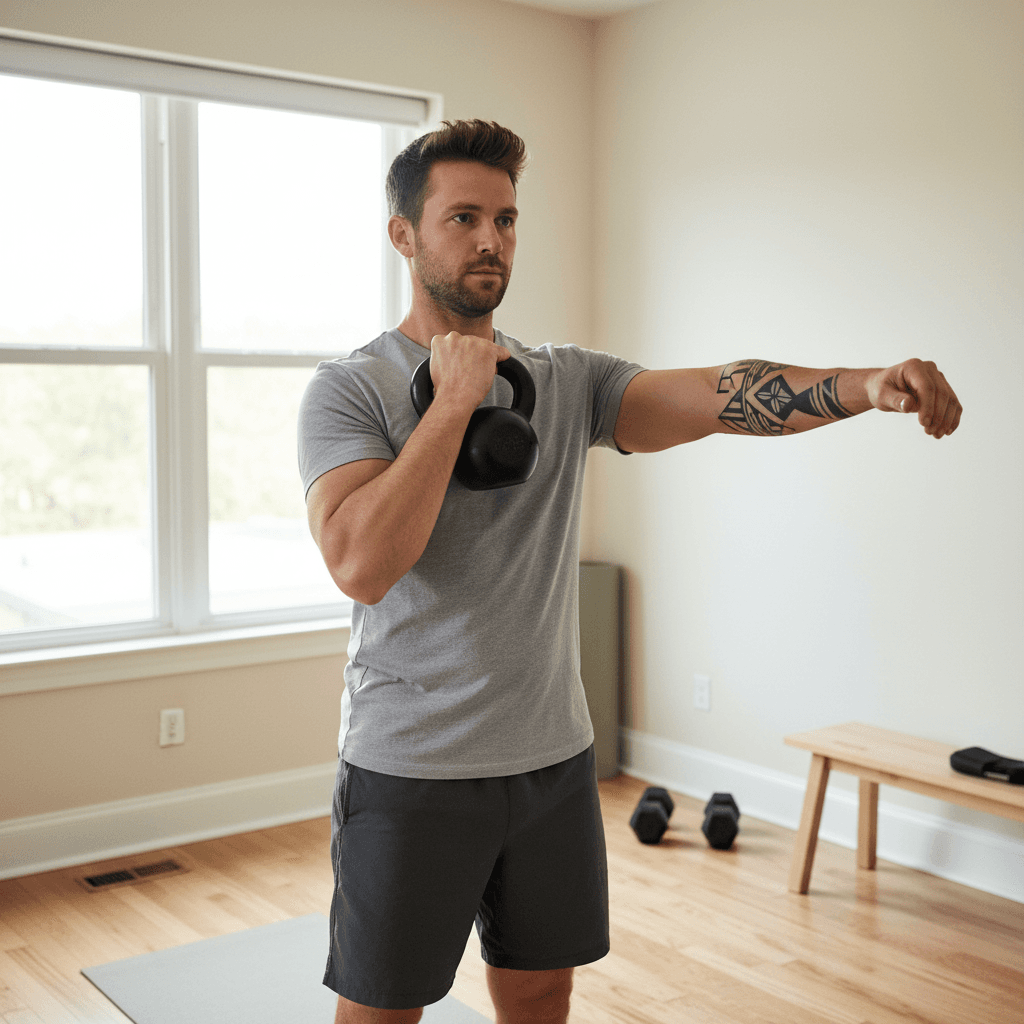
A new tattoo and a hard training schedule rarely line up. Your artist tells you to rest, your coach tells you not to skip a session, and you end up Googling "when can I work out after a tattoo" at 11pm. The real answer depends on where the tattoo is, how big it is, and what kind of training you do. Here is the day-by-day version, with the specific moves to skip, when to layer back in, and why sweat is a bigger problem than most people realize.
The 48-Hour Rule and Why It Exists
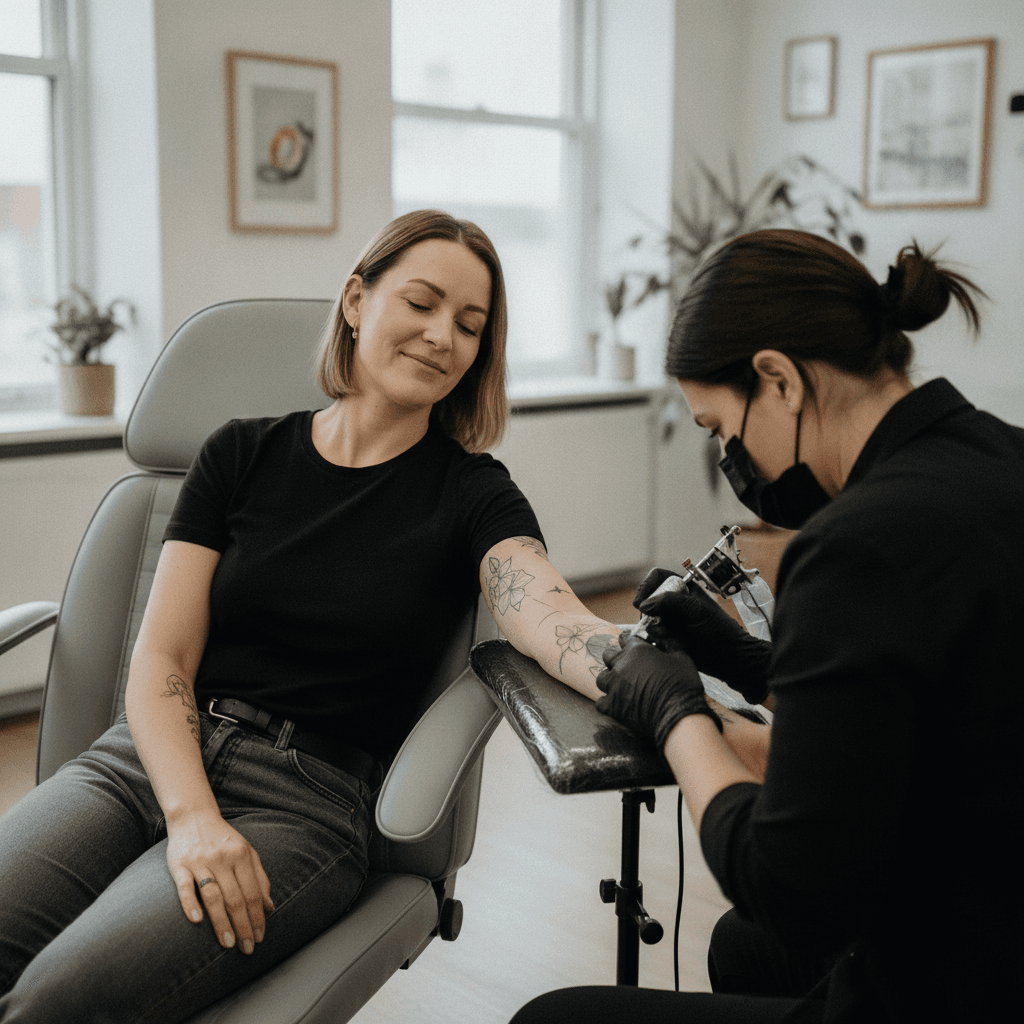
Almost every reputable tattoo artist will tell you to skip the gym for 48 hours. The reason is not vague. A fresh tattoo is an open wound that has been weeping plasma and ink for roughly 12 to 24 hours, and that plasma is what forms the protective film over your skin during the first day. Sweat dilutes that film, and lifting heavy stretches and contracts the skin underneath in ways that can pull ink out of unset lines.
The 48-hour mark is when the open-wound stage is mostly over and the peeling stage has not yet started. Your tattoo is still tender, but the surface is sealed enough that mild movement will not destroy it. This is also when the second wrap or saniderm patch (if your artist used one) is usually changed or removed. For the healing context that frames all of this, the tattoo healing timeline walks through each phase day by day.
The 48-hour rule is a floor, not a ceiling. If you have a small wrist piece, 48 hours of rest is overkill. If you have a full ribcage panel or a thigh sleeve, you are looking at closer to a week before you can do anything serious with that body part. Size and location move the goalposts.
Days 1 to 3: What You Can Still Do
You are not bed-bound. Walking is fine, and you should walk because circulation helps healing. Mild incline walking, gentle stretching that does not pull on the tattooed area, and light upper-body mobility work are all reasonable. The principle is simple: nothing that produces serious sweat, nothing that stretches or compresses the tattoo, and nothing that puts the tattoo against shared equipment.
Specific moves to skip on days 1 to 3:
- Anything that puts pressure on the tattoo (bench press if your chest is tattooed, deadlifts if your forearm is wrapped, squats if your thigh is tattooed)
- High-intensity cardio (running, cycling at threshold, HIIT circuits)
- Heated yoga, sauna, or steam rooms
- Swimming, including in chlorinated pools
- Contact sports of any kind
What you can do: bodyweight calf raises, slow walks, ankle and wrist mobility, neck rolls, light foam-rolling on untattooed areas. A stationary bike at recovery pace for 20 minutes works if your legs are clean of fresh ink. Keep the heart rate under 110 bpm. The goal is to stay loose, not to train.
Week One: Easing Back In
By day four or five you are usually in the peeling stage. The tattoo will look flaky and slightly raised, and it might itch. This is the worst time to drench it in sweat. The skin is rebuilding its top layer, and that new layer is thin. Sweat, especially the salty, bacteria-rich kind from a hard session, sits on top of that layer and gets pulled into the new tissue through the same micro-channels the ink came in through.
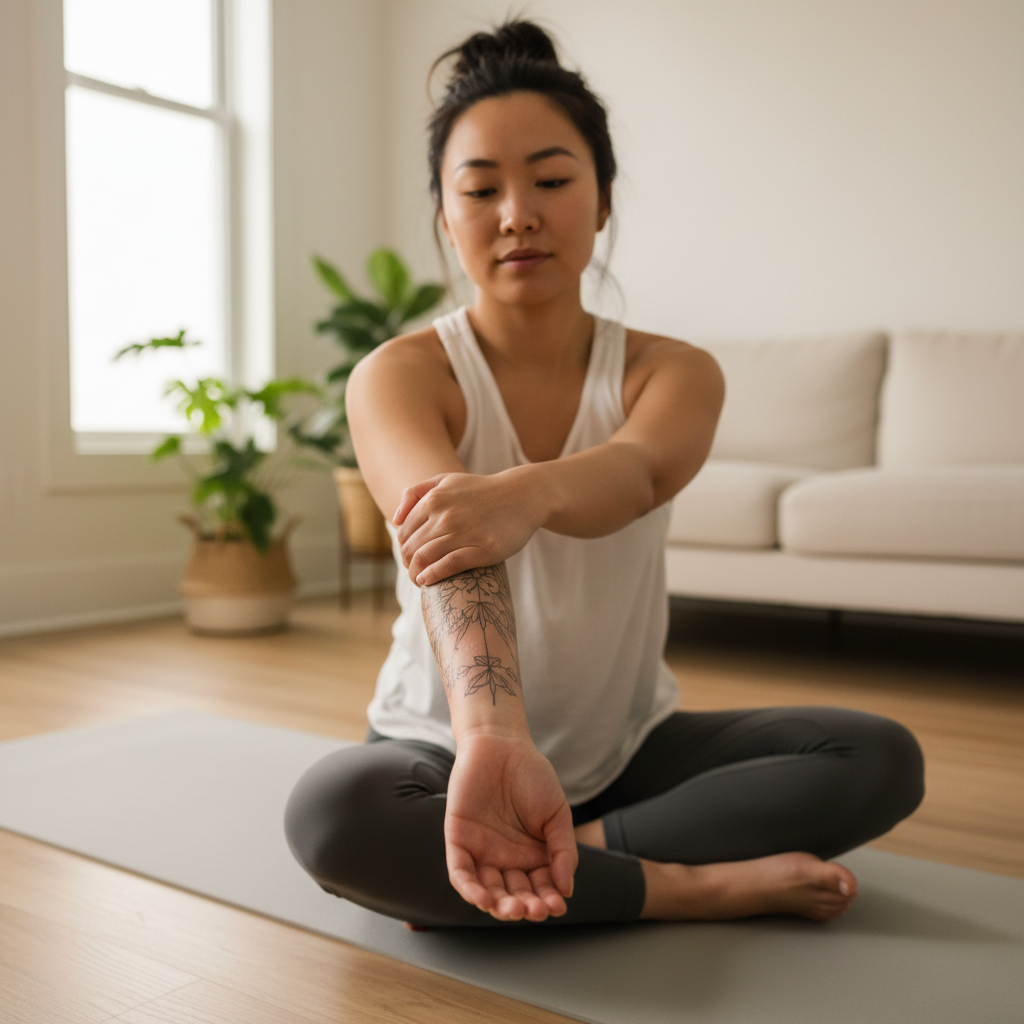
What this means in practice: you can start lifting again on day five or six, but you have to be deliberate. Pick exercises that do not involve the tattooed body part directly. If your forearm is tattooed, train legs and core. If your calf is tattooed, do upper-body push and pull. Wear loose, clean clothing that does not rub the tattoo. Wash with fragrance-free soap immediately after, then re-moisturize with your healing ointment.
Avoid anything where shared equipment touches the tattoo. Yoga mats, bench pads, pull-up bars, and weight benches are coated in other people's sweat and skin bacteria, and a fresh tattoo is a direct entry point for staph and other infections. If you have to work out in a public gym, lay a clean towel between your tattoo and any surface. This is the single biggest habit change that separates clean healing from a scab pulled off mid-session.
Week Two Through Four: Normal Training, With Caveats
By the start of week two the peeling has mostly stopped, the itching is fading, and the tattoo is settling into its final look. You can return to most of your usual programming, but the tattoo is still healing underneath the surface for another two to three weeks. The visible skin looks fine. The dermis is still finishing the ink-fixing process.
That distinction matters for two reasons. First, you should still avoid prolonged sun exposure, which means outdoor running in summer becomes a concern if the tattoo is uncovered. Once the surface is closed, sunscreen on a healed tattoo becomes the single biggest factor in long-term color retention, so this is where the long game starts. Second, the area is still slightly tender to deep pressure, so massage guns, foam rolling directly on the tattoo, and rough contact should wait until the end of week three.
If your tattoo is large or in a high-movement area like the inner bicep, ribcage, knee, or sole of the foot, add an extra week to all of these stages. Large pieces have more surface area still healing under the skin, and high-movement areas reopen scabs more easily. A back-piece athlete returning to deadlifts at day ten is not the same case as a wrist-tattoo athlete returning to upper body at day ten.
Sweat, Bacteria, and the Real Risk
The actual danger of working out too soon is not pulling ink out, though that does happen at the margins on hands and feet. The real danger is infection. Tattoo infections in 2026 are rare in clean studios, but they spike in the population that goes back to the gym in the first week. Hospital-reported cases of post-tattoo cellulitis trace back to the same pattern: someone trained hard 3 to 5 days after a leg or back tattoo, did not shower for 30 minutes after, and the new ink got contaminated through unsealed micro-channels.
The warning signs to watch for are the same as any tattoo infection symptom: redness expanding beyond the tattoo borders, heat radiating from the area, pus that is yellow or green rather than clear plasma, fever, or red streaks running away from the tattoo toward the heart. Any of these means stop training and see a doctor that day.
A clean protocol cuts the risk to near zero:
- Shower within 15 minutes of finishing your workout
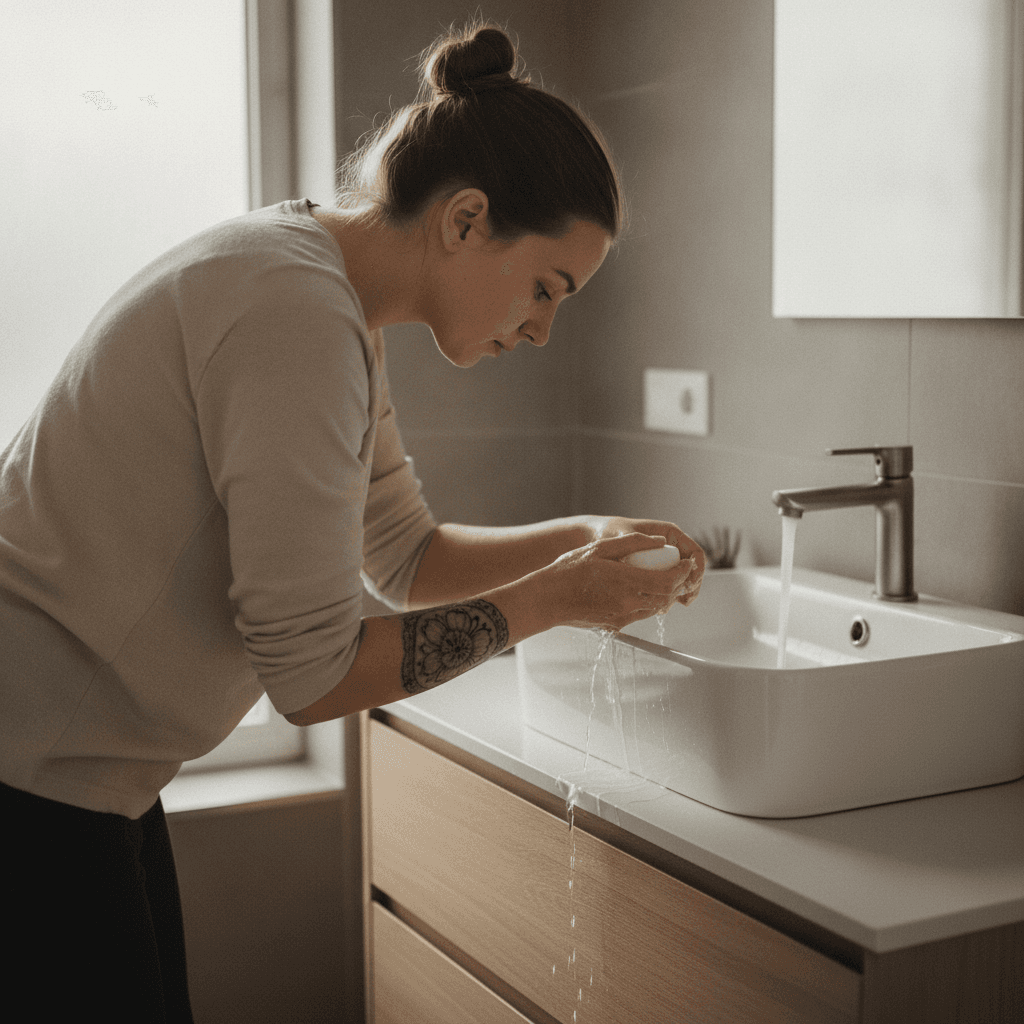
- Wash the tattoo and surrounding skin with fragrance-free, gentle soap
- Pat dry with a clean towel that has not touched gym equipment
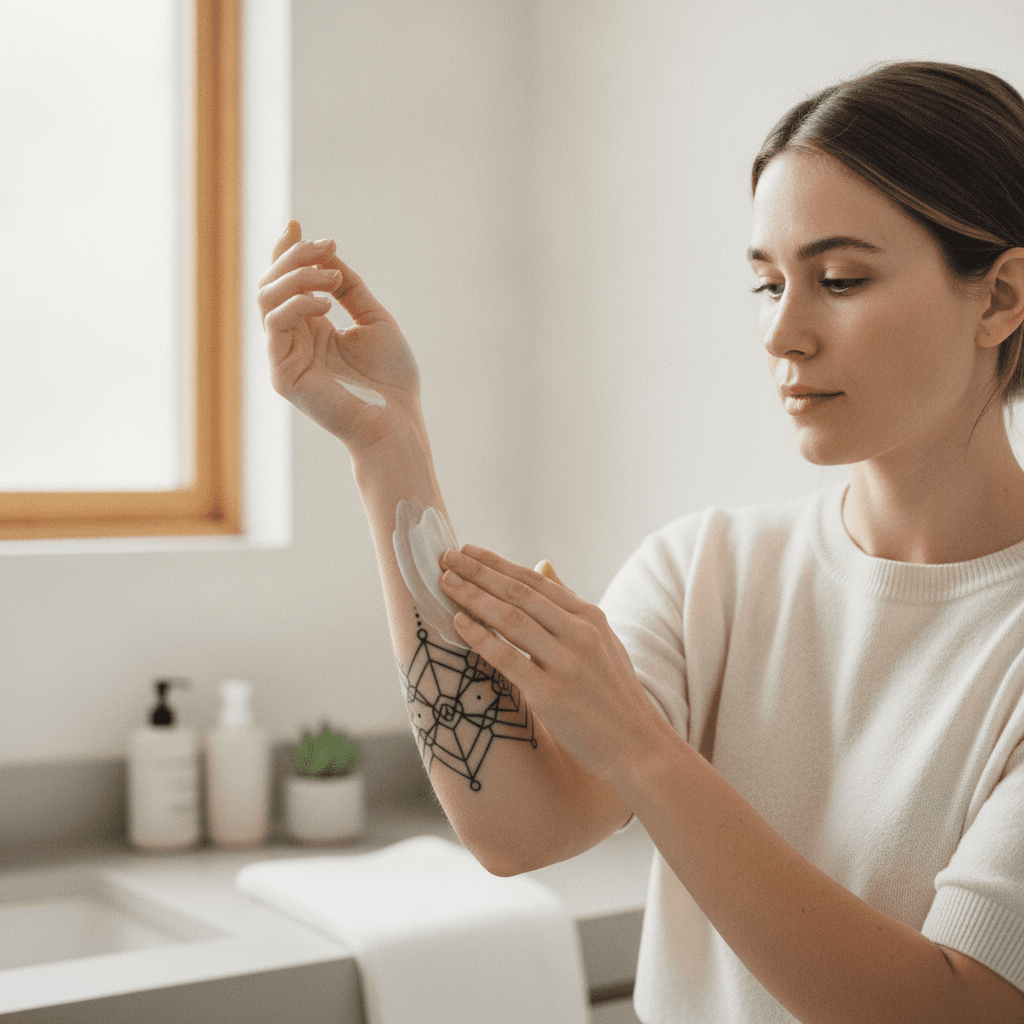
- Re-apply your aftercare ointment or unscented lotion in a thin layer
- Let the tattoo breathe in loose clothing for the rest of the day
The single biggest predictor of infection in the first month is not how hard you trained. It is how long the sweat sat on the skin before you washed it off.
Frequently asked
Can I work out 24 hours after a tattoo?
No. The first 24 hours are when the wound is still actively producing plasma and the protective film is forming. Sweat at this stage dilutes the seal and increases your risk of ink loss and infection. Wait the full 48 hours minimum, and longer if the piece is large or in a high-movement spot.
What if my tattoo is tiny, like a wrist dot?
A small fine-line piece smaller than a quarter heals fast. You can usually return to a light workout at the 24-hour mark, but still avoid anything that puts pressure or sweat directly on the spot. For the cost and process behind small pieces, the tattoo pricing breakdown covers how size and detail change the math.
Can I swim or use a hot tub instead of the gym?
No. Submerged water is worse than dry sweat. Chlorine fades ink, hot tubs are bacteria reservoirs, and lake or ocean water carries pathogens like Vibrio that can cause severe infections in open wounds. Wait at least three weeks before any submersion, and four weeks for natural water.
Will sweating make my tattoo fade?
Not by itself. Sweat does not dissolve set ink. What sweat does is irritate the surface during healing, and prolonged irritation during the first two weeks can lead to patchy healing where ink does not settle evenly. Patchy healing is what people notice later and call fading, but the damage happened in week one.
Can I take ibuprofen for soreness if I went too hard?
Avoid NSAIDs during the first 72 hours after a tattoo. They thin the blood and increase bleeding into the healing area, which can blur lines and dilute ink. Acetaminophen (paracetamol) is fine for soreness. After 72 hours, NSAIDs are okay if you need them.
My gym requires a shirt. Is rubbing fabric on a healing tattoo okay?
Loose cotton is fine after 48 hours. Compression gear, tight synthetic fabric, and anything coarse will rub the peeling skin and pull scabs early. If your tattoo is in a spot where clothing rubs against it constantly (collarbone, hip, inner bicep, lower back), wear loose layers and budget an extra week before resuming heavy training in that area.