cost guides
Mandala Tattoo Cost: What You Pay in 2026 by Size and Detail
Mandala tattoos run $180 to $350 per hour, with palm-sized pieces landing around $300 to $600 and full back mandalas stretching past $3,500 in detail-heavy work.
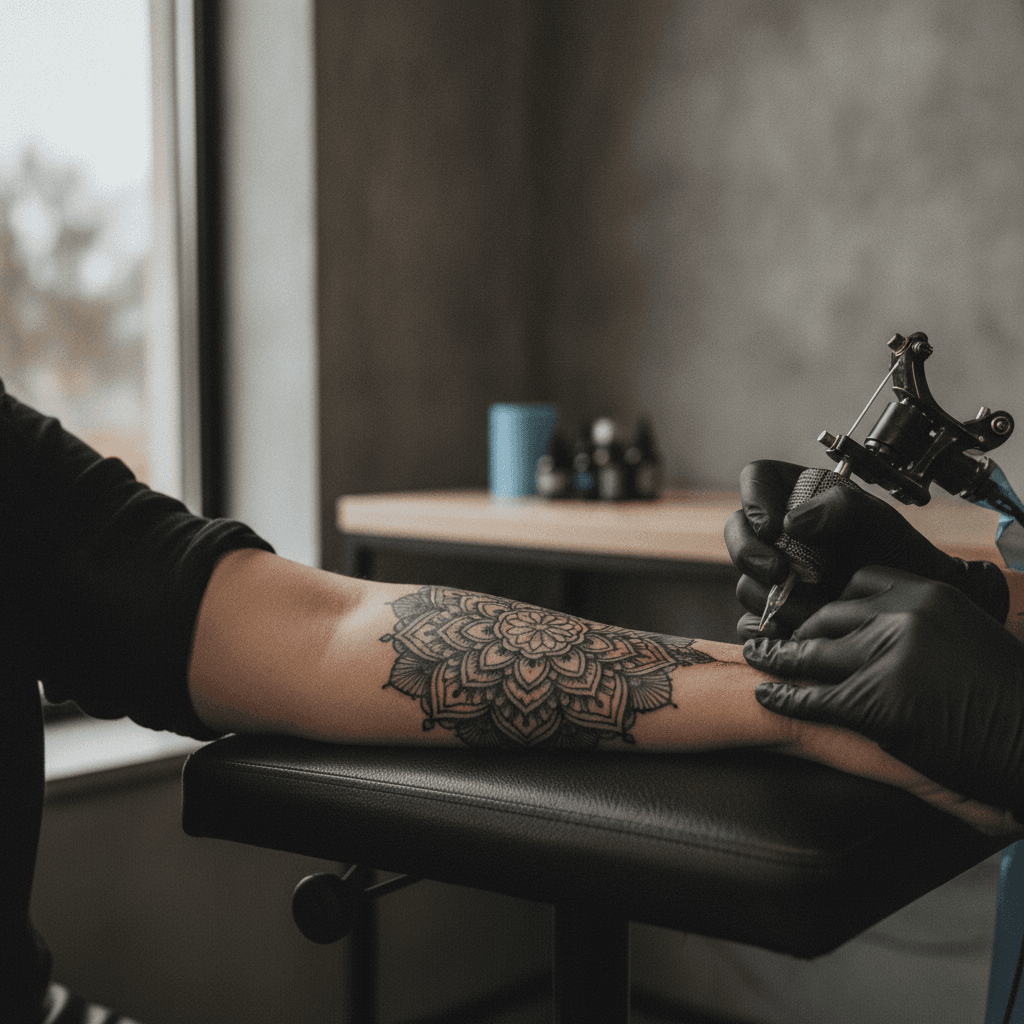
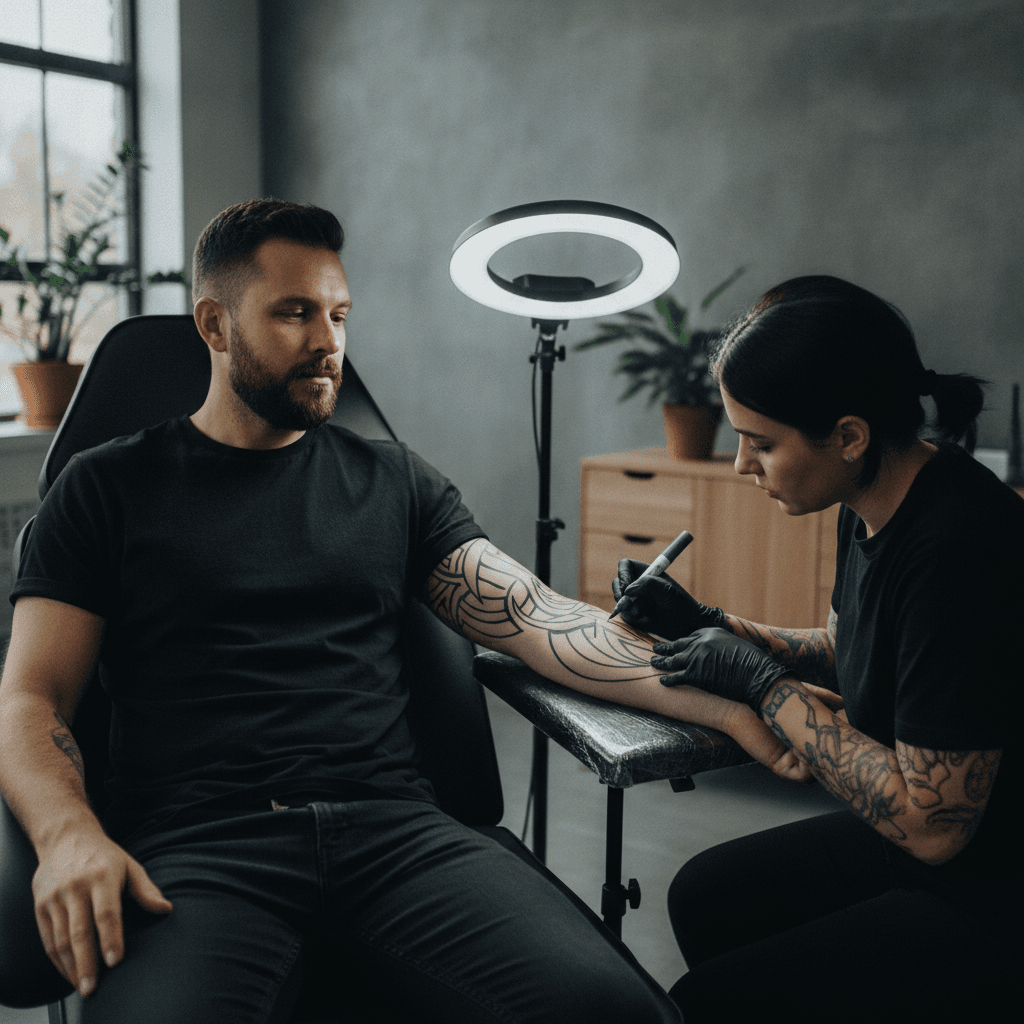
Mandala tattoos are priced by hours in the chair, not by inches on the skin. A palm-sized geometric piece usually runs $300 to $600 and takes one long session. A forearm sleeve mandala lands around $1,400 to $2,800 across two to four sessions, and a full back mandala can push past $3,500 once the dotwork gets dense. The number moves with three things: how symmetrical the linework has to be, how much dotwork shading fills the negative space, and where the piece sits on the body.
What mandala tattoos actually cost per hour
Most reputable artists charge $150 to $250 per hour for mandala work at the mid-tier, and $250 to $400 per hour once you move to specialists with two-plus years of waitlist. Shops in New York, Los Angeles, London, and Tokyo sit at the top of that range. Smaller markets in the Midwest or the South of Europe frequently run $120 to $180 per hour for the same skill level. Mandala pricing skews slightly above generic black-and-grey rates because the geometry demands perfectly clean lines and slow, deliberate dot shading.
A typical mid-forearm mandala the size of a coffee coaster takes four to six hours. That puts most first-time mandala pieces in the $700 to $1,500 window before tip. Flat-rate quoting is common for smaller mandalas because artists know how long the geometry takes them once they have drawn the reference grid. For anything bigger than a palm, expect hourly billing because the piece grows in scope as the client sees the first pass and asks for more layers.
Size and time: what a mandala actually takes
Time in the chair is the single largest price lever. Symmetry is unforgiving, and each petal, ring, and dot has to line up with the one across from it, so artists work slower than they would on freehand black-and-grey. A rough time-to-cost map at a $200 hourly rate looks like this:
- Palm-sized (3 to 4 inches): 2 to 3 hours, $400 to $600
- Coaster-sized (5 to 6 inches): 4 to 6 hours, $800 to $1,200
- Half-sleeve mandala panel: 8 to 14 hours across 2 sessions, $1,600 to $2,800
- Full back mandala with radial fill: 18 to 30 hours across 3 to 5 sessions, $3,600 to $6,000
- Chest plate mandala with sternum center: 12 to 20 hours, $2,400 to $4,000
Detail density inside the mandala matters more than the outer diameter. A 5-inch mandala with heavy dotwork stippling can take longer than an 8-inch mandala with mostly clean linework and negative space. Ask the artist for a time estimate before you fixate on a size. The relationship between diameter and hours is not linear.
Why placement changes the price
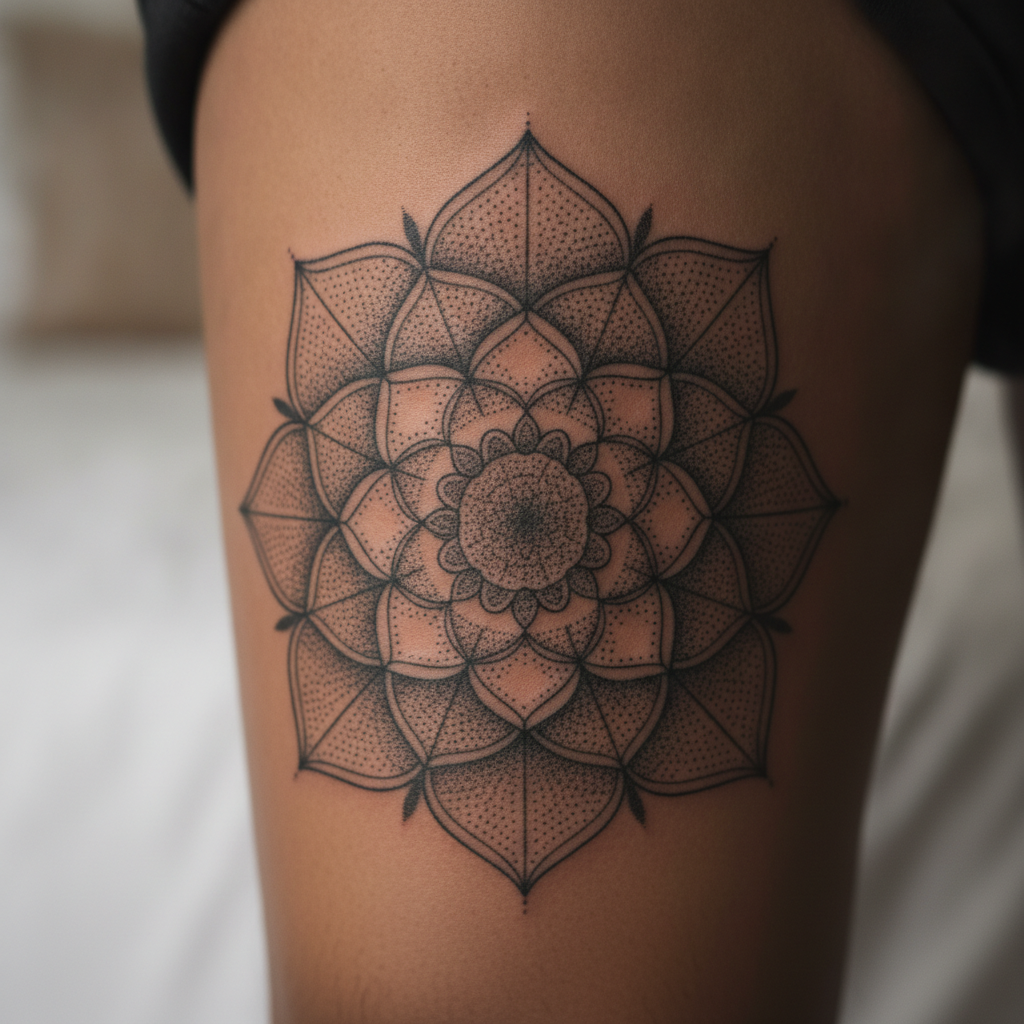
Mandalas are usually planned as radial pieces, which means the body part has to accept a circular composition without distortion. Flat, forgiving canvases like the outer thigh, upper back, chest plate, and outer forearm cost less per square inch because the artist can work fast on stable skin. Ribs, sternum, spine, inner bicep, and the top of the foot cost more per hour of finished work because the skin is thin, the surface curves, and clients need more breaks. Expect a 15 to 30 percent bump in total price for the same design placed on a difficult zone.
Placement also drives session count. A palm-sized mandala on the outer thigh might finish in one sitting, while the same design on the ribs often splits into two shorter sessions because the pain does not allow four straight hours. Two sessions means two set-up fees at some shops, and always means at least one deposit rolled into each. Read our complete guide to how much to tip your tattoo artist before you budget, because tip on a multi-session mandala can add $200 to $500 on top of the sticker price.
Style variables inside the mandala family
Not every mandala is priced the same. Pure linework mandalas with light dot accents are the cheapest per hour of coverage because clean lines move quickly once the artist has a stencil. Dotwork mandalas, where every millimeter of shading is stippled by hand, run 30 to 50 percent longer for the same visual size. Ornamental mandalas that blend into filigree, jewelry-inspired chains, or Neo-traditional flourishes cost the most because they combine two skill sets in one piece.
Color mandalas exist but are rare. When artists add color, expect a 20 to 40 percent premium on top of the black-ink base because color packing requires extra passes and healing time between sessions. For a broader comparison of black-and-grey versus color pricing, see our black-and-grey tattoo cost guide. Most mandala clients still choose black ink because the geometry reads cleaner and the piece ages better over 15 to 20 years.
Deposits, drawing fees, and hidden line items
Mandala artists usually take a deposit of $100 to $400 before they start drawing. That deposit locks the appointment and covers the custom drawing time, which for a bespoke mandala can hit six to ten hours of sketch work the client never sees. The deposit rolls into the final invoice on your first session. Skip a session without 48 to 72 hours notice and most shops keep the deposit outright.
Shop minimums matter less on mandala work because almost nothing in the style comes in under two hours, but expect a $100 to $150 minimum charge if you commission a tiny wrist mandala. Some artists also charge a redraw fee of $50 to $150 if you ask for structural changes after the stencil is on the skin. To understand how deposits typically work, read our tattoo deposit guide.
Where people waste money on mandala tattoos
The biggest budget leak is going too small on the first piece. A 2-inch mandala looks crisp on day one and turns into a blurry disc by year seven because the geometry cannot survive skin migration at that scale. Artists recommend a 4-inch minimum for anything with meaningful detail, and 6 inches for dotwork. Paying for a proper size once is cheaper than paying to have a fuzzed-out micro mandala reworked.
Chasing the cheapest hourly rate is the second common mistake. A $110-per-hour artist who takes eight hours to finish a design a $220-per-hour specialist could finish in three costs the same money and looks noticeably worse. Skill compresses time. For dotwork especially, the fastest hand is usually the most accurate one, and speed only comes from years of doing exactly this style. Look at healed photos, not fresh ones, before you book.
Frequently asked
How much does a small mandala tattoo cost? A small wrist or ankle mandala runs $200 to $400 at most shops. That covers one short session of one to two hours plus the minimum charge. Anything under 3 inches will look muddy within a few years, so pay for size even if you want a delicate feel.
Do mandala tattoos hurt more because of the shading? Yes, dotwork shading hits harder than solid black-and-grey because the machine passes over the same skin dozens of times to build the stippling. Placements over ribs, spine, or sternum become brutal after hour three. Plan on shorter sessions in painful zones and budget for the extra set-up fees that come with more visits.
Should I get a mandala freehand or with a stencil? Almost always with a stencil. Freehand mandalas are only safe with artists who have five-plus years of pure geometric work, and even then the symmetry rarely reaches stencil-grade precision. A stencil session adds one hour of prep on the day, which is worth it for a piece that has to be perfectly radial to look right.
How long does a full back mandala take from consult to finish? Plan for 6 to 10 months. Consultation and custom drawing eat two to six weeks, then the tattoo itself runs three to five sessions spaced four to eight weeks apart to allow healing between sittings. Rushing the schedule leads to blown-out linework and uneven ink saturation across the piece.
Is a mandala tattoo a good first tattoo? Only if you commit to a proper size and a real specialist. Mandalas do not forgive shortcuts. A small, cheap first mandala from a generalist ages badly, while a well-sized piece from a dotwork specialist ages beautifully. If the budget is tight, wait and save rather than compromise on size or artist.