cost guides
Stick and Poke Tattoo Cost: What You'll Pay in 2026
Stick and poke tattoo cost ranges from $60 for a tiny flash piece to $400+ for custom work. Here's what drives the price and what to budget.
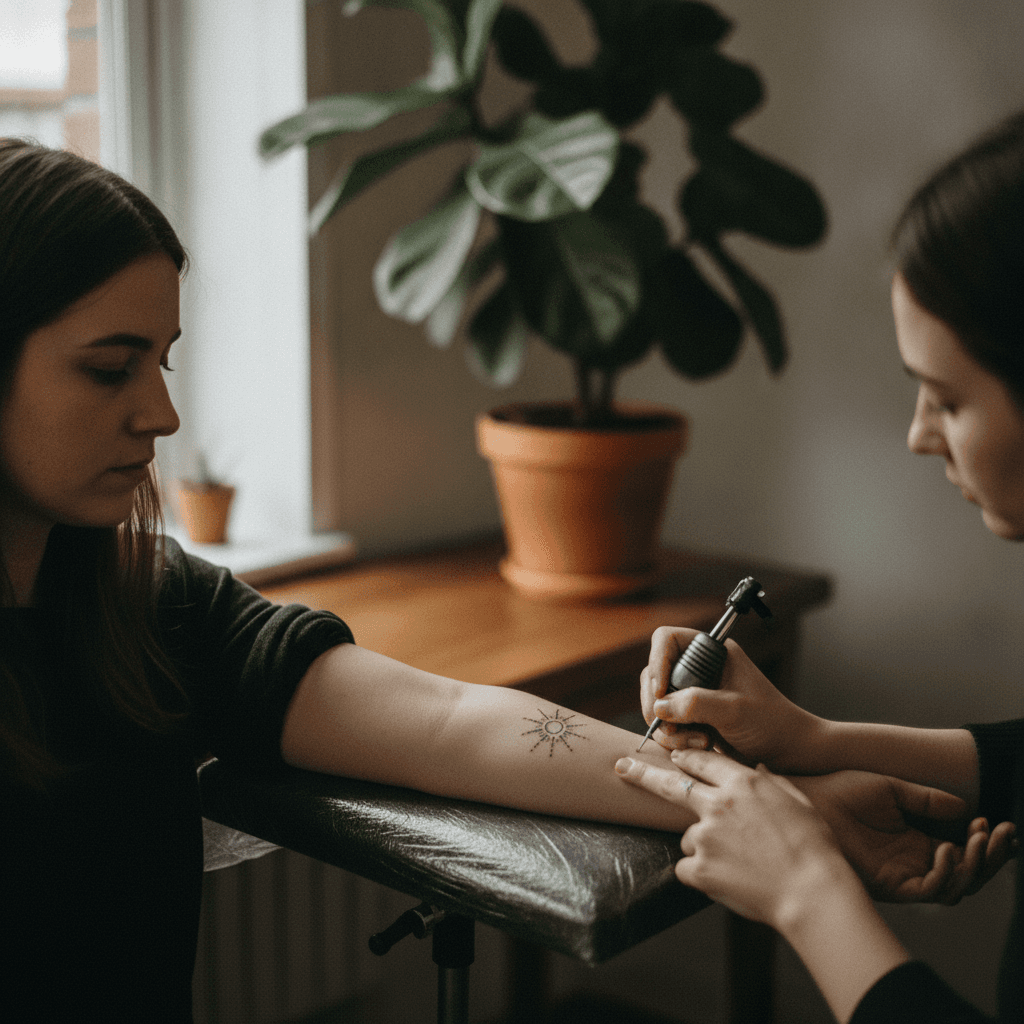
Stick and poke tattoos look casual, but the pricing is anything but random. A small hand-poked flash design in a professional studio usually runs $80 to $150, while custom work from a known hand-poke artist can climb past $400 for a session. The slow technique and short session lengths change the math compared to machine tattoos, so knowing the real numbers helps you budget without getting burned.
What a stick and poke actually costs in 2026
Shop minimums for stick and poke sit between $60 and $120 in most US cities, with coastal markets like Los Angeles, New York, and San Francisco pushing $150 as a floor. That minimum covers a single tiny design, usually under two inches, done in one sitting of 30 to 45 minutes. Flash sheets from guest artists tend to price between $100 and $250 depending on size and demand, and these are the cheapest way to get work from a reputable hand-poke specialist.
Custom work is where the range widens. A palm-sized custom hand-poked design at a professional studio typically runs $200 to $400. Larger pieces, think forearm-sized botanical sprigs or small ornamental panels, usually cost $400 to $800 for a full session. Hand-poke takes two to three times longer per square inch than machine work, so artists price by piece or by session rather than strict hourly rates. If an artist does quote hourly, expect $120 to $220 per hour at a shop, which looks lower than machine artists but reflects the slower output.
Home or kitchen stick and pokes done by friends sit outside professional pricing entirely. They often cost nothing or a small gift, but they also carry real infection risk and almost always need touch-ups or cover-ups later. The hidden cost there is the professional work you will eventually pay for to fix it.
What drives the price
Six factors move the number up or down, and most of them are not negotiable with a serious artist. Size and detail matter most. Each dot takes seconds to lay, and a design made of thousands of dots adds up fast. A single-line minimalist piece will always undercut a stippled piece of the same dimensions. Placement comes next. Bony or sensitive areas like ribs, sternum, hands, and feet take longer because the artist works slower to manage pain and skin stretch. Expect a 20 to 40 percent premium for these spots.
Artist experience is the single biggest variable. Apprentices and newer artists at legitimate shops charge $60 to $120 for small pieces. Mid-level artists with three to five years of hand-poke experience sit at $150 to $300. Established hand-poke specialists with waitlists charge $300 to $700 per session and often require deposits that count toward the final price. For a full breakdown of how experience shapes rates across every style, see our guide to tattoo cost by artist experience level.
- Design complexity: simple line vs. stippled or shaded
- Placement: pain level and skin behavior
- Artist tier: apprentice, journeyman, specialist
- City and studio overhead: coastal markets run 30 to 50 percent higher
- Session length and whether multiple sittings are needed
- Custom design time: an hour or two of drawing is often baked into the quote
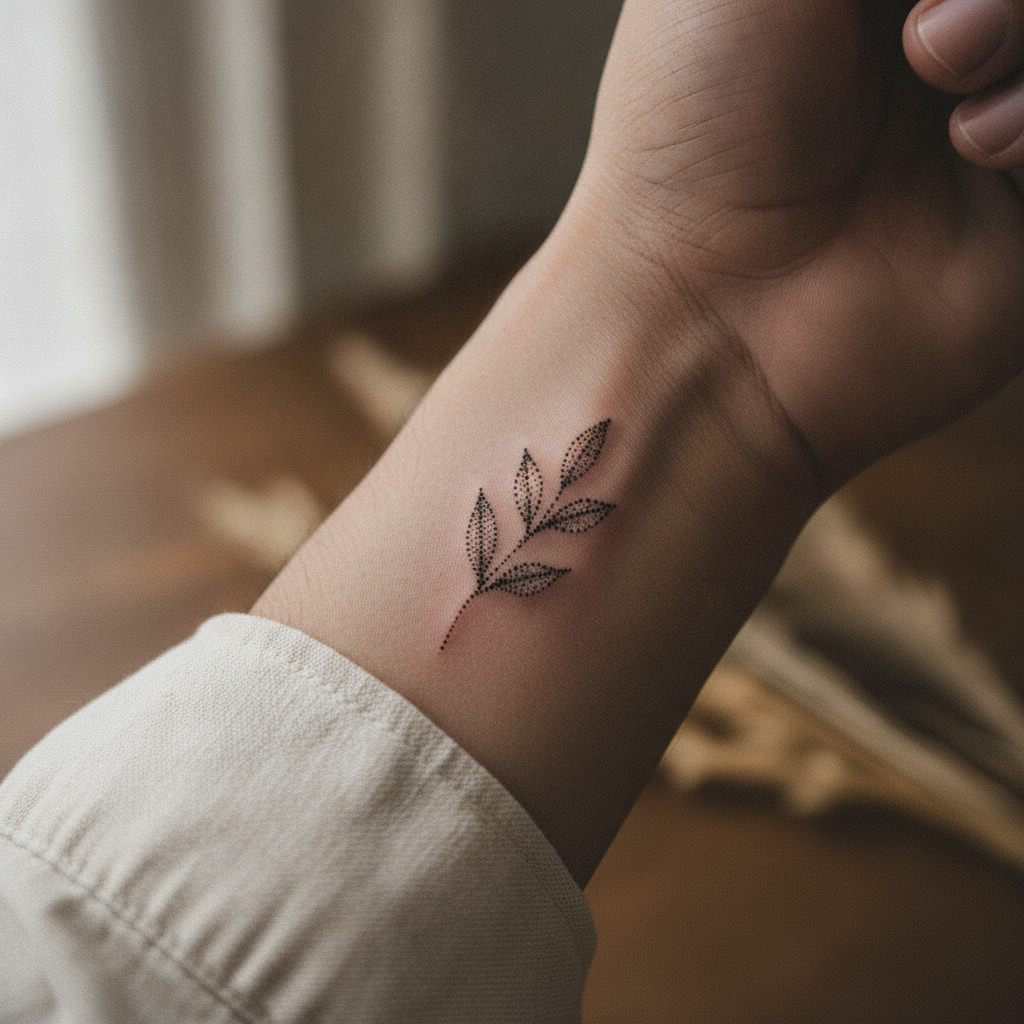
Hand-poke vs. machine tattoo pricing
A common question is why stick and poke often costs the same or more than a comparable machine tattoo, despite looking simpler. The answer is time. A skilled machine artist can lay a two-inch fine-line design in 20 to 30 minutes. The same design by hand takes 60 to 90 minutes because every dot is placed individually by hand. Studios price for chair time, so slower technique means higher per-piece cost even at a lower hourly rate.
Hand-poke also appeals to clients who want a specific aesthetic: softer edges, slightly irregular linework, and a more organic look that heals with a slightly different texture than machine work. That demand pushes prices for specialist artists higher. If the look of fine machine work is what you want instead, our breakdown of fine line tattoo cost covers the direct comparison.
One upside: because sessions are shorter and designs tend to be smaller, total project cost for a first stick and poke tattoo is often lower than a comparable machine piece. You just pay more per square inch for the slower craft.
Tipping, deposits, and hidden costs
Standard tattoo tipping applies to hand-poke. Tip 15 to 25 percent of the final price, cash preferred, handed directly to the artist at the end of the session. Our full tipping guide breaks down the etiquette if you want more detail. For a $200 piece, that is $30 to $50 on top.
Deposits are standard for custom work and usually run $50 to $150. They secure the booking, cover the artist's drawing time, and apply to the final price. Deposits are almost always non-refundable if you cancel inside 48 hours. Touch-ups are a quiet cost most people forget to plan for. Hand-poked tattoos sometimes need a small touch-up at six to eight weeks because the dot stippling can lose density during healing. Many artists include one free touch-up within three months, but confirm this before booking. If you need a touch-up later, expect to pay shop minimum, typically $60 to $100.
Aftercare products add another $20 to $40 to your total. A fragrance-free lotion, mild soap, and a small roll of plastic wrap or Saniderm cover the first two weeks. Our guide to stick and poke tattoo aftercare walks through the exact timeline and what to buy.
Red flags for cheap stick and pokes
A quote well under local shop minimum is almost always a sign something is wrong. Street-fair hand-pokes at $20 to $40 typically use reusable needles, India ink or craft ink instead of real tattoo pigment, and skip proper skin prep. The piece may look fine for a few months before scarring, blurring, or allergic reactions start. The cost of removal or cover-up down the line will dwarf the savings.
Legitimate hand-poke artists always use single-use sterile needles, dispose of them in a sharps bin on the spot, work in a shop with a visible health permit or in a licensed private studio, and show you fresh gloves and a sealed needle package before starting. If any of those steps is missing, walk out. No price is worth a hepatitis risk or a scar that costs $500 to remove.
Frequently asked
Is a stick and poke cheaper than a machine tattoo? For very small pieces at shop minimum, prices are nearly identical. For custom work, hand-poke often costs 10 to 30 percent more than comparable machine work because each dot is laid individually and sessions run longer. The style and texture, not the price, should drive your choice.
How much is a small stick and poke on the wrist or ankle? Expect $80 to $150 at a professional shop for a design one to two inches, done in a single short session. Custom work with more detail in the same size range runs $150 to $250. Our wrist tattoo cost guide has more detail on placement-specific pricing.
Do I tip the same as a machine tattoo? Yes. 15 to 25 percent of the final piece price, cash, handed to the artist at the end. Tip is on the piece price, not including the deposit, since the deposit already came out of the total.
Why do some hand-poke artists charge $500 for a small piece? Established specialists with social-media followings and multi-month waitlists price by demand, not time. A $500 small piece from a known artist reflects the queue they manage, the custom drawing time, and the reputation that drew you to them in the first place.
Will I need a touch-up and what will it cost? Hand-poked tattoos lose a small amount of dot density during healing more often than machine work. Many artists include one free touch-up at six to eight weeks. Later touch-ups are usually shop minimum, $60 to $100, though some artists charge nothing for returning clients within the first year.
Is a $40 stick and poke at a party ever safe? Almost never. Even with good intentions, home setups rarely include medical-grade needles, proper skin prep, or safe pigment. The real cost shows up later in laser removal or a cover-up, both of which run $300 to $1,000. Pay the shop price once and skip the fix later.