aftercare
Tattoo Aftercare in Humid Climates: Healing Guide
Humidity slows tattoo healing and raises infection risk. Here is a practical day-by-day aftercare guide for tropical and humid climates.
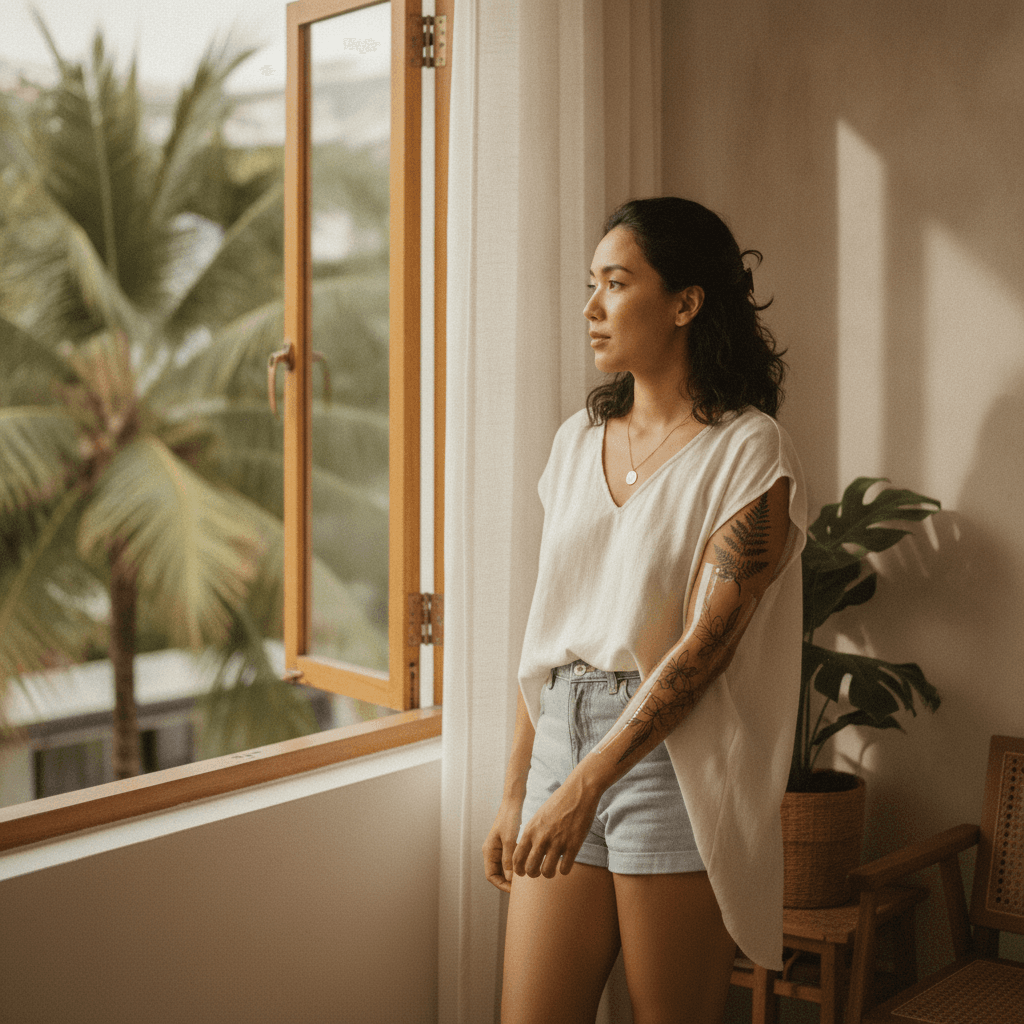
Healing a fresh tattoo in a tropical city is a different game than healing one in dry, temperate weather. Sweat sits on the skin longer, bacteria multiply faster, and the standard aftercare advice you read in a Northern European studio leaflet quietly stops working. If you got inked in Bangkok, Bali, Manila, Saigon, Miami, or anywhere else where the air feels like a warm towel, this is the version of the guide you actually need.
Why humidity changes the rules
Skin heals by forming a dry scab or a thin layer of new tissue under a protective film. In a humid climate, the skin around a fresh tattoo stays damp for hours after every shower, walk, or bus ride. That trapped moisture softens scabs prematurely, lifts them before the ink has settled, and gives bacteria like staph and pseudomonas a warm, wet medium to grow in. Studio research from Southeast Asian artists consistently puts tropical healing times at 10 to 14 days for the surface layer compared to 7 to 10 days in temperate weather, with deeper repair stretching past the four-week mark.
Humidity also amplifies sweat. A typical Bangkok afternoon sits at 75 to 90 percent relative humidity, and even sedentary people lose noticeable salt and water through the skin. Salt is irritating to an open wound and slows clotting in the first 24 hours. The combination of constant moisture and constant salt is the single biggest reason humid-climate tattoos blow out, scar, or fade unevenly within the first month.
The first 48 hours: wrap strategy matters more here
In dry climates, many artists send you home with cling film and a casual "take it off in two hours." In the tropics, that advice fails. Cling film traps sweat against the wound and turns the tattoo into a petri dish within an hour. The right choice is a breathable medical adhesive film, sold as Saniderm, Dermalize, Recovery Derm Shield, or Second Skin, applied by the artist before you leave the studio. These films let vapor escape while blocking bacteria, and they typically cost $15 to $30 for a sheet large enough to cover a half sleeve.
Wear the first film for 18 to 24 hours, not the 3 to 5 days some brands advertise, because tropical sweat pools faster underneath. Peel it off in a cool shower, never dry, pulling slowly toward the direction of hair growth. If you see milky plasma and ink trapped under the film, that is normal and rinses away. For a deeper breakdown of how this product family works, read our Saniderm tattoo aftercare guide. After the first wrap comes off, most tropical-climate artists recommend a second clean film for another 24 to 48 hours rather than going straight to open-air healing.
Washing and showering in heat
Wash the tattoo two to three times a day for the first week, more often than the once-or-twice standard for cool climates. Use lukewarm water, never hot, since hot water dilates capillaries and pushes more plasma to the surface. Pick a fragrance-free, pH-balanced liquid soap. Dr. Bronner's Baby Unscented, Cetaphil Gentle Skin Cleanser, and Sebamed Liquid Face and Body Wash are widely available across Asia and run $4 to $12 a bottle.
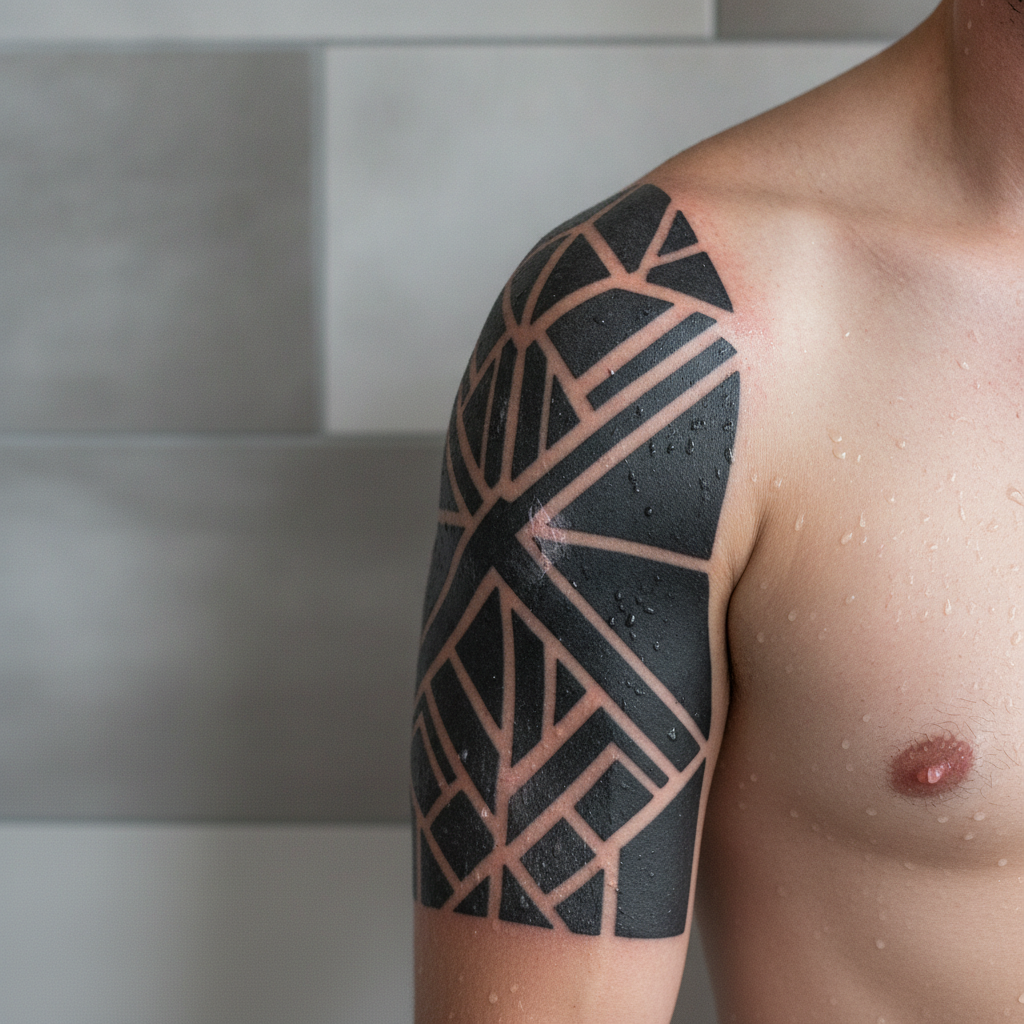
Lather with your fingertips only. No washcloths, no loofahs, no scrub brushes, since these harbor bacteria and lift early scabs. Rinse for a full 30 seconds to flush salt and soap residue. Pat dry with a clean paper towel rather than a cloth towel, then air dry for 10 to 15 minutes before applying anything. The air-dry step is non-negotiable in humid weather. Trapping leftover shower moisture under lotion is how tropical tattoos start bubbling, a problem we cover in detail in our guide on tattoo bubbling causes and fixes.
Choosing the right moisturizer for tropical skin
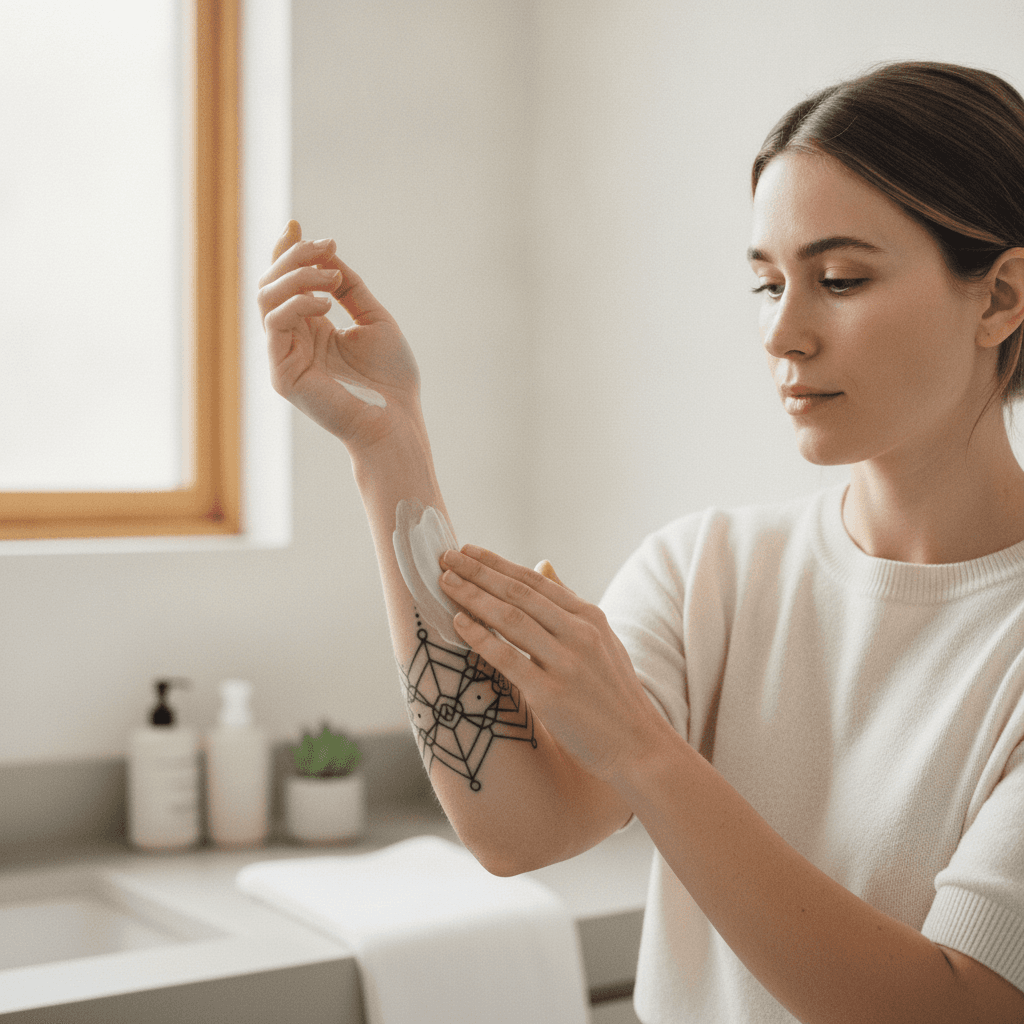
Thick ointments like Aquaphor and A+D, which work beautifully in dry winters, are too occlusive for humid weather. They seal in sweat and bacteria. Switch to a lighter, water-based lotion from day three onward. Good tropical-climate picks include Hustle Butter Deluxe (vegan, $20 for a 5 oz tub), Cetaphil Moisturizing Lotion ($8 to $15), and CeraVe Daily Moisturizing Lotion ($12 to $18). Apply a thin layer, the kind where you have to look hard to see the shine, two to three times a day for two weeks.
Avoid anything with menthol, lanolin, petroleum as the first ingredient, or added fragrance. If your skin starts feeling tight or itchy in the second week, that is a signal to apply lotion more often, not to slather on more per application. For a side-by-side ranking of products that perform in heat, our roundup of the best lotion for new tattoo is a useful next read.
Sweat, sun, and lifestyle adjustments
You cannot avoid sweating entirely in the tropics, but you can minimize how much sweat lands on a fresh tattoo. For the first 10 days, skip the gym, skip motorbike rides without long sleeves, and skip outdoor jobs that put the area in direct sun. Office air conditioning is your friend. If you must be outside, wear loose, breathable cotton that does not rub the tattoo, and change clothes the moment you get home.
- No swimming pools, ocean, rivers, or hot springs for at least 14 days. Chlorine and microbes both cause infections and fading.
- No saunas, steam rooms, or hot yoga for 21 days.
- No direct sun on the tattoo for 30 days, then SPF 50+ mineral sunscreen indefinitely.
- No tight waistbands, bra straps, or watch bands over the tattoo for two weeks.
- No alcohol for the first 48 hours, since it thins blood and prolongs weeping.
Tropical-climate artists report that 80 percent of healing complications they see are traced to swimming or sweating through a workout in the first two weeks.
Warning signs that need a clinic visit
Some redness, warmth, light swelling, and clear or yellowish plasma in the first three days is normal. What is not normal: spreading redness past the tattoo border after day three, thick green or grey discharge, a foul smell, fever above 38°C, red streaks radiating from the tattoo, or skin that feels hot to the touch a week in. Any of these mean you go to a clinic the same day, not tomorrow.
In Bangkok and Bali, walk-in dermatology consultations cost $25 to $60, and most clinics stock the topical and oral antibiotics that resolve early tropical infections within 48 hours. Do not try to ride it out. A staph infection that turns into cellulitis can scar a tattoo permanently and, in rare cases, require hospitalization. Our guide on the signs of tattoo infection covers what to photograph and what to tell the doctor.
Frequently asked
Can I get a tattoo right before flying home from a tropical vacation? It is workable but risky. Plane cabins are dry and the pressure change can increase swelling, while airport sweat in the terminal raises infection risk. If you must, get the tattoo at least 48 hours before the flight, wear a fresh second-skin film through travel, and bring lotion in your carry-on. See our flying after new tattoo guide for full details.
Is coconut oil a good moisturizer for tropical tattoo healing? No. Coconut oil is comedogenic on broken skin, traps bacteria, and goes rancid quickly in heat. Stick to a fragrance-free commercial lotion designed for sensitive skin. Save the coconut oil for fully healed tattoos two months out.
How long should I wait before swimming in the ocean? A minimum of 14 days, ideally 21. Saltwater stings, sand abrades the scab, and tropical seas carry vibrio and other bacteria that thrive in warm water. A waterproof bandage is not enough protection for a full ocean swim during the healing window.
Why does my tattoo feel itchier in humid weather than my friends report in cooler climates? Trapped sweat, heat rash from occlusive lotion, and faster histamine response in warm skin all contribute. The fix is more frequent gentle washing, a lighter lotion, and cooler air on the area. If itching becomes intense or hives appear, that may be an ink reaction and warrants a clinic visit.
Can I sleep with the air conditioning blasting directly on my new tattoo? Direct cold airflow can over-dry the surface and cause cracking. Aim the vent away from the tattoo or use a fan on low across the room. A bedroom around 22 to 24°C is ideal for tropical-climate healing.
Should I shower more or less than usual in the first week? About the same total time, but split into more frequent short rinses rather than one long shower. Two to three lukewarm rinses of three minutes each, with a gentle wash of the tattoo at one of them, beats a single 15-minute hot shower for healing speed and infection control.